Carl Rogers: The Architect of Person-Centered Therapy | Vibepedia
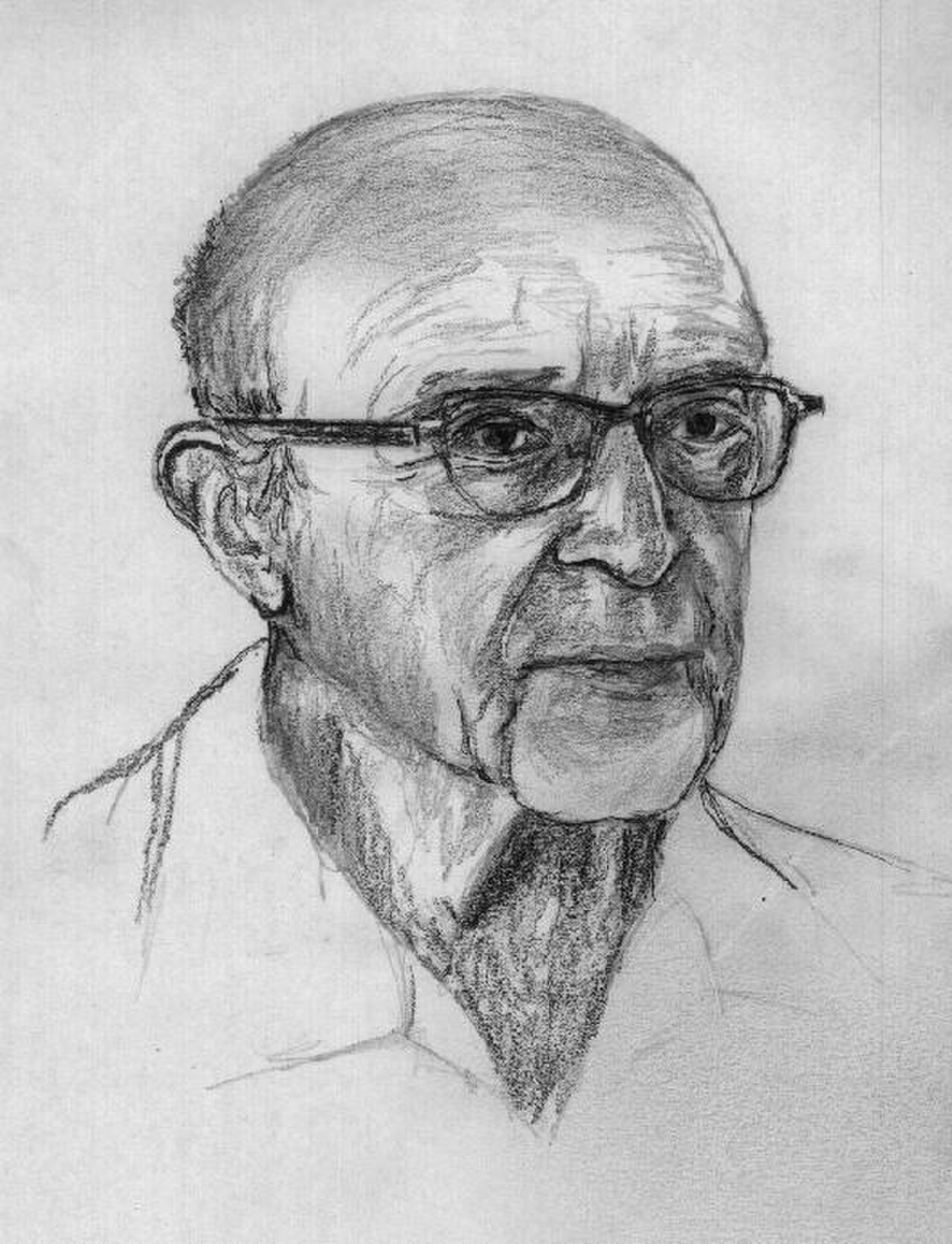
Carl Rogers (1902-1987) was a towering figure in 20th-century psychology, fundamentally reshaping therapeutic approaches with his client-centered (later…
Contents
- 🎯 What is Person-Centered Therapy?
- 👤 Who is Carl Rogers?
- 💡 Core Principles: The Pillars of PCT
- 🤝 The Therapeutic Relationship: The Heart of the Matter
- 📈 Effectiveness & Applications
- 🤔 Criticisms & Controversies
- 🌟 Rogers vs. Other Therapies: A Quick Comparison
- 📚 Key Works & Further Reading
- 💡 Practical Tips for Engaging with PCT
- 📞 Getting Started with Person-Centered Therapy
- Frequently Asked Questions
- Related Topics
Overview
Person-Centered Therapy (PCT), also known as client-centered therapy, is a humanistic approach to psychotherapy developed by [[Carl Rogers|Carl Rogers]] in the mid-20th century. It posits that individuals possess the inherent capacity for growth and self-actualization, and that the therapist's role is to create a supportive, non-judgmental environment that facilitates this process. Unlike directive therapies, PCT emphasizes the client's autonomy and their ability to find their own solutions. This approach is particularly beneficial for individuals struggling with issues of self-esteem, relationship difficulties, and a general sense of being stuck or misunderstood. The core idea is that the client, not the therapist, is the expert on their own life.
👤 Who is Carl Rogers?
Carl Rogers (1902-1987) was a towering figure in 20th-century psychology, co-founding the [[humanistic psychology|humanistic psychology]] movement alongside Abraham Maslow. His groundbreaking work in psychotherapy research earned him the [[American Psychological Association|APA]]'s Award for Distinguished Scientific Contributions in 1956, a testament to his empirical rigor. Rogers challenged the prevailing psychodynamic and behavioral models of his time, advocating for a more optimistic and client-empowering perspective. His influence extends far beyond clinical psychology, impacting education, organizational development, and conflict resolution, demonstrating the broad applicability of his core tenets.
💡 Core Principles: The Pillars of PCT
The bedrock of PCT rests on three fundamental therapist conditions: unconditional positive regard, empathy, and congruence. Unconditional positive regard means accepting the client fully, without judgment or conditions, fostering a sense of safety and worth. Empathy involves deeply understanding the client's subjective experience from their frame of reference, communicating this understanding back to them. Congruence, or genuineness, means the therapist is authentic and transparent in the relationship, not hiding behind a professional facade. These conditions are not merely techniques but are seen as the essential ingredients for therapeutic change, creating a fertile ground for personal growth.
🤝 The Therapeutic Relationship: The Heart of the Matter
The therapeutic relationship is the central mechanism of change in Person-Centered Therapy. Rogers believed that the quality of the relationship between therapist and client was paramount, more so than specific techniques. The therapist acts as a facilitator, offering a safe space where the client feels heard, understood, and accepted. This non-directive stance empowers the client to explore their feelings, thoughts, and experiences without fear of criticism. The therapist's genuine presence and deep listening create a powerful corrective emotional experience, allowing clients to develop a more integrated and positive self-concept.
📈 Effectiveness & Applications
Person-Centered Therapy has demonstrated effectiveness across a range of psychological issues, including depression, anxiety, and interpersonal problems. Its principles are also applied in educational settings, conflict resolution, and even in leadership training, highlighting its versatility. While research on PCT's efficacy compared to other modalities is ongoing, studies consistently show that the therapeutic relationship itself is a significant predictor of positive outcomes, a core tenet of Rogers' work. Its emphasis on client empowerment makes it particularly suitable for those seeking to enhance self-awareness and personal agency.
🤔 Criticisms & Controversies
Despite its widespread acceptance, PCT is not without its critics. Some argue that its non-directive nature can be too passive for clients who require more structured guidance or are experiencing severe psychological distress. Skeptics question whether the three core conditions are sufficient on their own to facilitate deep-seated change, particularly in cases of trauma or severe personality disorders. The emphasis on the client's subjective experience has also led to debates about the therapist's responsibility in challenging maladaptive beliefs or behaviors, a tension that continues to be explored within the field of psychotherapy.
🌟 Rogers vs. Other Therapies: A Quick Comparison
Compared to [[psychodynamic therapy|psychodynamic approaches]], which delve into unconscious conflicts, or [[cognitive behavioral therapy|CBT]], which focuses on identifying and changing thought patterns, PCT is distinctly less directive. While CBT might assign homework or challenge specific thoughts, PCT relies on the client's internal drive for growth, facilitated by the therapist's empathic presence. [[Gestalt therapy|Gestalt therapy]] shares PCT's focus on present experience but often employs more active techniques to heighten awareness. The key differentiator for PCT remains its unwavering faith in the client's inherent capacity for self-healing within a supportive relational context.
📚 Key Works & Further Reading
Carl Rogers' seminal works provide the foundational understanding of Person-Centered Therapy. His 1951 book, Client-Centered Therapy: Its Current Practice, Implications and Theory, is a cornerstone text. On Becoming a Person: A Therapist's View of Psychotherapy (1961) further elaborates on his philosophy of human potential and the therapeutic process. For those interested in the evolution of humanistic psychology, Rogers' autobiography, A Way of Being (1995), offers invaluable personal insights. These texts are essential for anyone seeking a deep understanding of his influential contributions.
💡 Practical Tips for Engaging with PCT
When seeking a [[person-centered therapist|person-centered therapist]], look for someone who embodies genuineness, empathy, and unconditional positive regard. Don't be afraid to ask about their approach and how they see the therapeutic relationship unfolding. Be prepared to take an active role in exploring your own experiences and insights; the therapist is there to support your journey, not to dictate it. Trust your intuition about whether you feel safe and understood in the sessions. Remember, the goal is to foster your own self-discovery and growth, making your active participation crucial.
📞 Getting Started with Person-Centered Therapy
To begin exploring Person-Centered Therapy, the first step is to find a qualified therapist who practices this approach. You can search online directories of therapists, often filtering by therapeutic modality. Many therapists offer an initial consultation, which is an excellent opportunity to gauge compatibility and ask questions about their experience with PCT. Discussing your goals and expectations upfront will help ensure you and your therapist are aligned. Remember, the journey of self-discovery is unique, and finding the right therapeutic partnership is key to unlocking your potential.
Key Facts
- Year
- 1902
- Origin
- Oak Park, Illinois, USA
- Category
- Psychology & Philosophy
- Type
- Person
Frequently Asked Questions
Is Person-Centered Therapy suitable for everyone?
While PCT is broadly applicable, its non-directive nature might be less ideal for individuals who require immediate, structured intervention for severe crises or specific phobias. However, for most individuals seeking self-exploration, personal growth, and improved self-understanding, it can be highly effective. The core conditions of empathy, congruence, and unconditional positive regard are universally beneficial for fostering a sense of safety and acceptance.
What's the difference between Person-Centered Therapy and client-centered therapy?
There is no significant difference; the terms are used interchangeably. Carl Rogers initially coined the term 'client-centered therapy' to emphasize the client's central role and autonomy. Later, he and others began to prefer 'person-centered therapy' to highlight the holistic nature of the individual being treated, encompassing their entire being rather than just their 'client' status.
How long does Person-Centered Therapy typically last?
The duration of PCT varies greatly depending on the individual's goals and the complexity of their issues. Some clients may find significant benefit in a few sessions, while others may engage in therapy for months or even years. The client's pace dictates the length of therapy; it's not time-limited by the therapist's agenda but by the client's journey towards self-actualization.
Can Person-Centered Therapy be combined with other therapeutic approaches?
While PCT is a distinct modality, its core principles, particularly the therapeutic relationship, are foundational and can enhance other therapeutic approaches. Some therapists may integrate elements of PCT into their practice, even if they primarily identify with another theoretical orientation. However, a pure PCT approach emphasizes the client's self-direction above all else.
What does 'unconditional positive regard' actually look like in practice?
It means the therapist accepts and values the client as a person, regardless of their thoughts, feelings, or behaviors. This doesn't mean the therapist agrees with or condones harmful actions, but rather that they maintain a fundamental respect for the client's inherent worth. It's communicated through non-judgmental listening, verbal affirmations of understanding, and a consistent, accepting demeanor.
How do I know if a therapist is truly congruent?
Congruence is about authenticity. A congruent therapist is genuine and real in the relationship. This might manifest as expressing their own feelings appropriately when relevant, or simply by not putting on a false professional front. It's a sense of realness and transparency that allows for a more authentic connection, fostering trust and deeper exploration for the client.