Coffee Roasting Techniques | Vibepedia
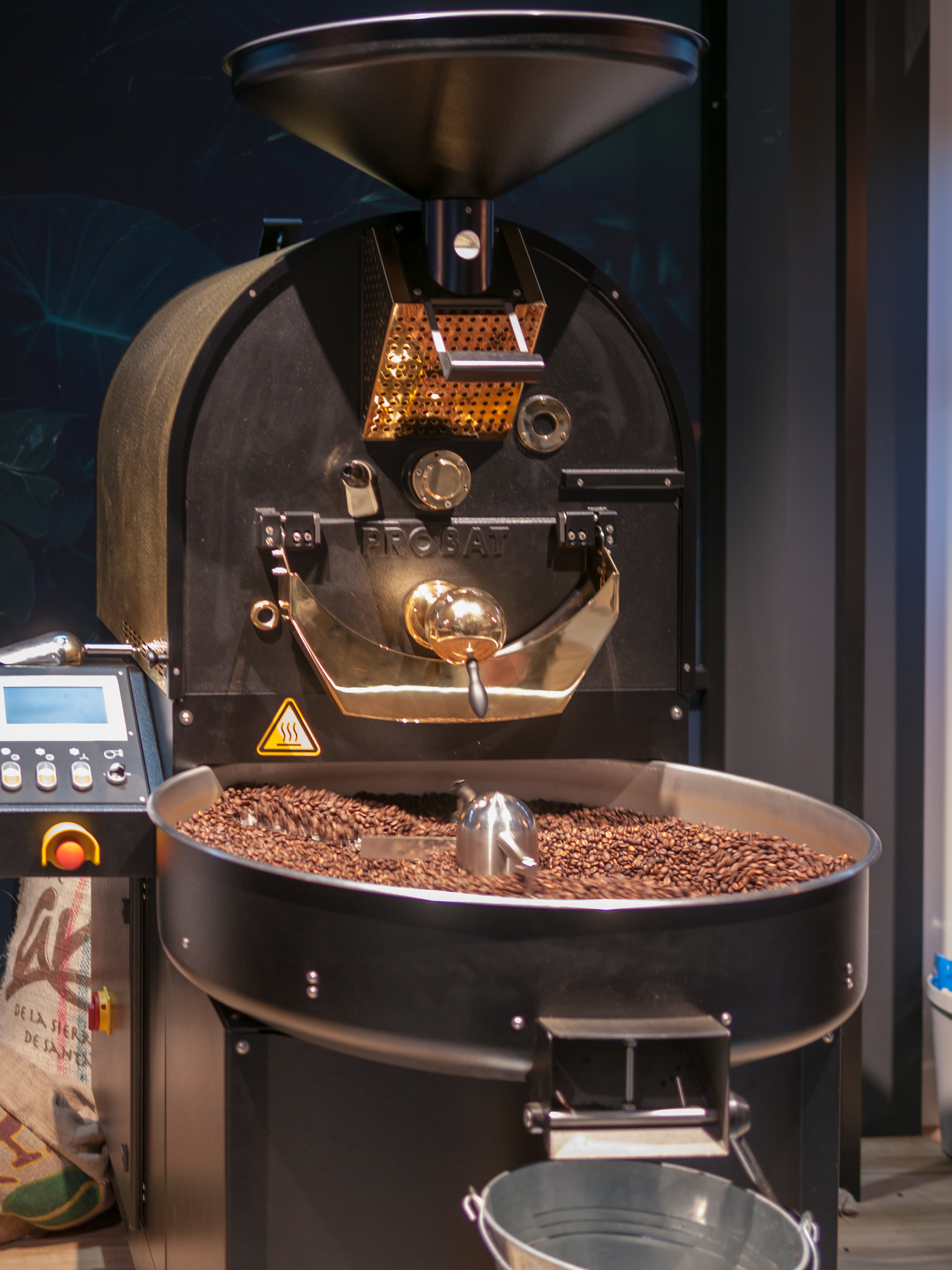
Coffee roasting is the critical process that unlocks the complex flavors and aromas of green coffee beans, transforming them through controlled heat…
Contents
Overview
Legend often points to Kaldi, a goat herder, discovering coffee's stimulating effects when his goats consumed berries from a particular bush. Early methods likely involved simple exposure to open flames or hot stones, a far cry from today's sophisticated machinery. The practice of roasting coffee beans is believed to have originated in Ethiopia, possibly as early as the 9th century, though concrete historical records are scarce. By the 15th century, roasting was well-established in Yemen, with Sufi monasteries using roasted coffee for religious ceremonies and to stay awake during long prayers. The spread of coffee houses across the Ottoman Empire in the 16th century, particularly in cities like Constantinople (modern-day Istanbul), cemented roasting as a vital craft, with specialized roasters, or 'kavvecis', becoming respected artisans. The Dutch East India Company played a pivotal role in globalizing coffee cultivation and roasting by the 17th century, bringing beans and techniques to Europe and its colonies, leading to further innovation in roasting equipment and methodologies.
⚙️ How It Works
At its core, coffee roasting is a controlled thermal process that subjects green coffee beans to temperatures typically ranging from 180°C to 240°C (356°F to 464°F). The beans undergo significant physical and chemical changes: moisture evaporates, the beans expand and turn from green to brown, and their density decreases. Crucially, complex chemical reactions occur. The Maillard reaction, a non-enzymatic browning reaction between amino acids and reducing sugars, creates hundreds of aromatic compounds responsible for coffee's characteristic smell and taste, including melanoidins which contribute to color and body. Caramelization, the browning of sugars at higher temperatures, adds sweetness and bitterness. During the roast, beans experience 'first crack,' a popping sound caused by internal pressure from steam and CO2 release, signaling the transition to a lighter roast profile. 'Second crack,' a more rapid, quieter crackling, indicates a darker roast, where oils begin to migrate to the surface.
📊 Key Facts & Numbers
Globally, an estimated 10 million metric tons of coffee are produced annually, with the vast majority undergoing roasting before consumption. The specialty coffee market, where roasting techniques are highly scrutinized, is valued at over $30 billion worldwide and continues to grow. A typical commercial roast batch can range from 500 kg to 2,000 kg, while micro-roasters often handle batches between 5 kg and 50 kg. Home roasters might process as little as 100 grams to 1 kg per batch. The time spent in the roaster, known as the roast duration, can vary from 6 minutes for a very light roast to over 15 minutes for a very dark roast. During roasting, beans can lose up to 20% of their original weight due to moisture evaporation and the release of volatile compounds.
👥 Key People & Organizations
Key figures in coffee roasting include pioneers like Alfred Peet, founder of Peet's Coffee, who popularized darker, European-style roasts in the United States in the 1960s. Michael Sivetz, an aerospace engineer, is credited with developing fluid-bed roasters in the mid-20th century, a significant advancement in roasting technology. Companies like Probat and Schaerer have been instrumental in designing and manufacturing roasting machinery for over a century, setting industry standards. The Specialty Coffee Association (SCA) and the Coffee Quality Institute (CQI) play crucial roles in establishing roasting standards, certifications, and educational programs that shape professional practices globally. Today, influential roasters like James Hoffmann, a World Barista Champion and prominent coffee educator, disseminate knowledge and influence trends through platforms like YouTube.
🌍 Cultural Impact & Influence
Coffee roasting techniques profoundly influence the global coffee culture, shaping consumer preferences and the economics of coffee production. The rise of specialty coffee shops, driven by a demand for nuanced flavors, has elevated roasting from a commodity process to a craft. This has led to a greater appreciation for single-origin coffees, where the unique characteristics of a bean's origin and processing are highlighted by specific roasting profiles. Roasting styles, such as the lighter, brighter roasts favored in Nordic countries versus the darker, bolder roasts common in Italy, reflect regional tastes and historical influences. The visual aspect of roasting, with roasters often visible in cafes, adds to the sensory experience and transparency for consumers, fostering a deeper connection to the beverage. This cultural shift has also spurred innovation in roasting equipment and software, making sophisticated roasting more accessible.
⚡ Current State & Latest Developments
The current landscape of coffee roasting is characterized by increasing sophistication and technological integration. Advanced roasters now feature precise temperature control, airflow management, and data logging capabilities, often controlled by sophisticated software like Cropster and Artisan. There's a growing emphasis on transparency and traceability, with roasters sharing detailed information about bean origins, processing methods, and specific roast profiles. Direct-trade relationships between roasters and coffee farmers are becoming more common, allowing roasters greater control over bean quality and consistency from the source. Furthermore, the development of analytical tools, such as electrochemical methods for quality appraisal, is beginning to offer objective measures of coffee quality that complement traditional sensory evaluation.
🤔 Controversies & Debates
A significant debate in coffee roasting revolves around the 'ideal' roast profile for any given bean. Skeptics argue that the pursuit of specific flavor notes, particularly in light roasts, can sometimes mask the inherent quality or defects of the coffee. Conversely, proponents of lighter roasts contend that they best preserve the unique terroir and delicate aromatics of high-quality beans, offering a more complex and nuanced drinking experience. Another point of contention is the role of automation versus human intuition; while technology offers precision, many believe the art of roasting still relies heavily on a roaster's experience and sensory judgment. The environmental impact of roasting, particularly energy consumption and emissions, is also a growing concern, prompting research into more sustainable roasting methods and equipment.
🔮 Future Outlook & Predictions
The future of coffee roasting is likely to be shaped by continued technological advancements and a deeper understanding of coffee chemistry. Expect to see more AI-driven roasting profiles that adapt in real-time based on sensor data and desired outcomes. Innovations in energy efficiency, such as induction or infrared roasting, could become more widespread, reducing the environmental footprint. There's also a growing interest in exploring novel roasting techniques, perhaps inspired by other culinary fields, to unlock entirely new flavor dimensions. As consumer palates evolve and demand for unique experiences grows, roasters will likely push the boundaries further, experimenting with different heat application methods and roast durations to create truly distinctive coffees. The integration of blockchain technology for enhanced traceability and quality assurance throughout the supply chain is also on the horizon.
💡 Practical Applications
Coffee roasting techniques are directly applied in various settings, from large-scale commercial operations supplying supermarkets to independent cafes and specialty roasters. For cafes, roasting on-site offers a competitive edge, ensuring peak freshness and allowing for unique signature blends. Home roasting has also surged in popularity, with enthusiasts using small-batch roasters to experiment with different beans and profiles, often sharing their results on online forums like Reddit. The principles of heat transfer and chemical reactions learned in coffee roasting are also applicable to other food industries, such as baking and the processing of other agricultural products. Furthermore, the data and analytical tools developed for roasting can inform other areas of food science and quality control.
Key Facts
- Category
- technology
- Type
- topic