Cotswolds Travel | Vibepedia
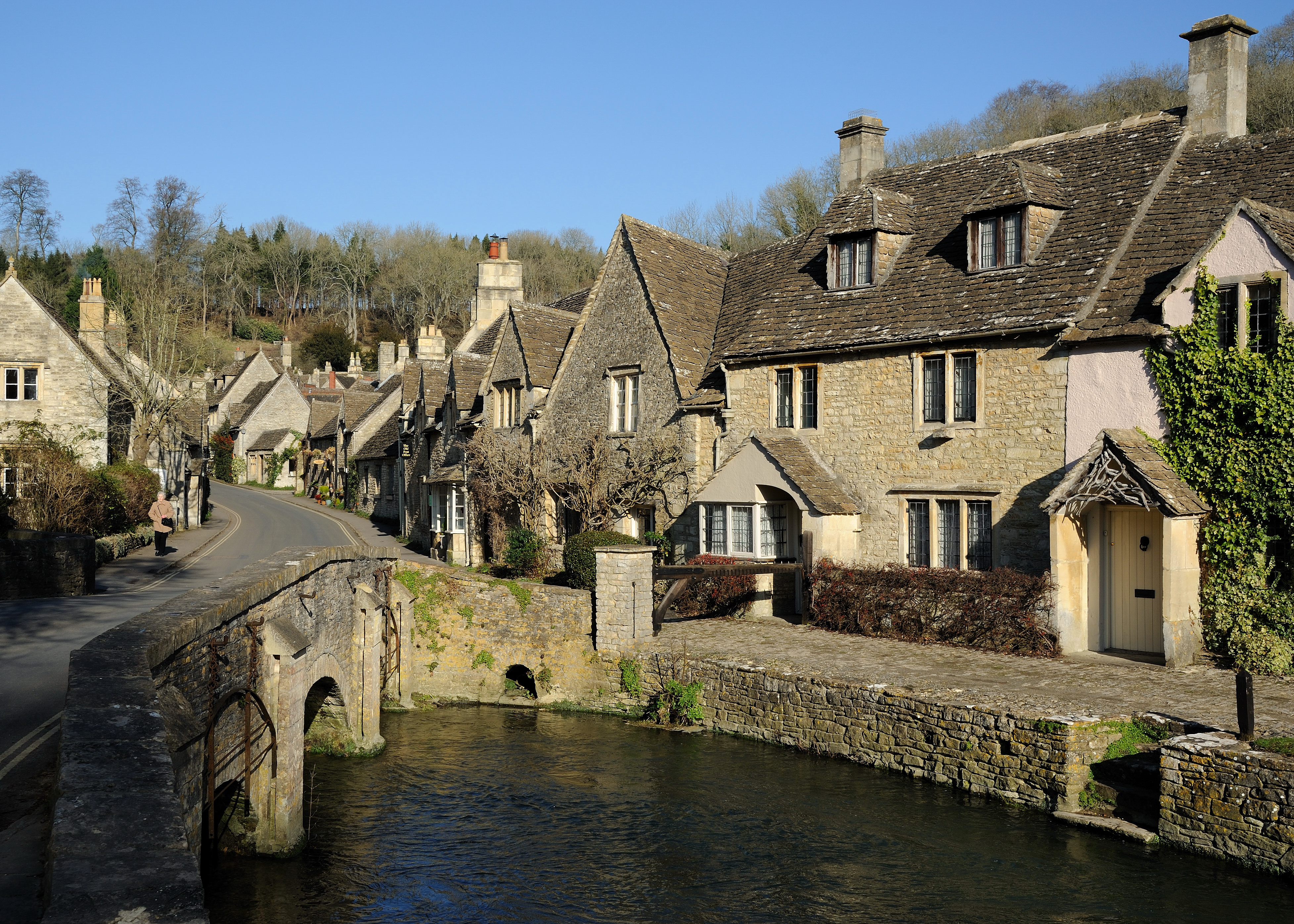
The Cotswolds, a designated National Landscape in South West and South Central England, is a region celebrated for its distinctive Jurassic limestone bedrock…
Contents
Overview
The Cotswolds' identity is inextricably linked to its geological makeup and historical economic drivers. The bedrock of Jurassic limestone, quarried for centuries, provides the distinctive golden stone that defines the region's architecture, from humble cottages to grand manor houses like Blenheim Palace. This stone is not merely decorative; it's a fundamental element of the landscape, influencing soil types and supporting unique grassland habitats. Historically, the Cotswolds were a powerhouse of the medieval wool trade, a prosperity reflected in the construction of magnificent churches, known as 'wool churches,' in towns such as Cirencester and Stow-on-the-Wold. The region's designation as an Area of Outstanding Natural Beauty (AONB), now known as a National Landscape, in 1966, formally recognized its exceptional scenic beauty and the need for its preservation. This designation, covering 787 square miles, has cemented the Cotswolds' status as a protected and cherished part of England's heritage, attracting artists, writers, and visitors for generations.
📊 Key Facts & Numbers
The Cotswolds National Landscape encompasses approximately 787 square miles (2,038 km2). The highest point in the Cotswolds is Cleeve Hill. The region contains over 200 miles of public footpaths and bridleways, facilitating outdoor recreation.
👥 Key Figures & Institutions
Key figures instrumental in shaping the Cotswolds' modern perception include landscape architects like Geoffrey Jellicoe, who influenced the design of many of its gardens and parks, and conservationists who championed its AONB status. Institutions such as the National Trust play a vital role in preserving historic properties like Snowshill Manor and gardens, making them accessible to the public. Local authorities and the Cotswolds Conservation Board work to manage the landscape and promote sustainable tourism. The region has also been a muse for countless artists and writers, including Laurence Sterne and J.R.R. Tolkien, whose works often evoke the pastoral beauty of the English countryside. The Cotswold Way Association actively promotes and maintains the iconic walking trail, connecting walkers with the region's natural and historical treasures.
🌍 Cultural Impact & Influence
The Cotswolds have profoundly influenced perceptions of idyllic English rural life, becoming a benchmark for picturesque villages and rolling countryside. Its aesthetic has been replicated in countless films and television series, such as Downton Abbey and Bridgerton, solidifying its image as the quintessential English idyll in the global imagination. This romanticized portrayal has, in turn, fueled significant tourism, drawing international visitors eager to experience the 'real' England. The region's artisanal crafts, particularly pottery, textiles, and local food production, have also gained prominence, contributing to a broader appreciation of traditional British craftsmanship. The distinctive Cotswold stone architecture has inspired design trends beyond the region, influencing building styles and garden design in other parts of the world seeking a touch of rustic elegance.
⚡ Current State & Latest Developments
In 2024, the Cotswolds continue to grapple with the dual pressures of immense popularity and the need for sustainable tourism. Efforts are underway to manage visitor flow, particularly in hotspots like Bourton-on-the-Water and Bibury, which often experience overcrowding during peak seasons. The Cotswolds Conservation Board is actively promoting 'slow tourism' initiatives, encouraging visitors to stay longer, explore lesser-known areas, and engage with local communities and businesses. There's a growing emphasis on promoting off-season travel to alleviate summer congestion and support the local economy year-round. Furthermore, discussions around the impact of second-home ownership and its effect on local housing affordability and community fabric remain a pressing issue for the region's future.
🤔 Controversies & Debates
The primary controversy surrounding Cotswolds travel revolves around over-tourism and its impact on the local environment and community. Villages like Bibury, famously described by William Morris as 'the most beautiful village in England,' often struggle with the sheer volume of visitors, leading to traffic congestion, strain on local infrastructure, and a diminished experience for residents. The rise of short-term holiday lets, while providing economic benefits, is also criticized for reducing the availability of long-term housing for local workers and families, altering the social fabric of villages. Debates also persist regarding the balance between preserving the historic landscape and accommodating modern development needs, including infrastructure upgrades and new housing projects. The 'golden stone' aesthetic itself, while beloved, can lead to a homogenization of development, with concerns raised about preserving the unique character of individual villages.
🔮 Future Outlook & Predictions
The future of Cotswolds travel is likely to be shaped by a continued push towards sustainable and responsible tourism. Expect further development of 'slow travel' initiatives, encouraging longer stays and deeper engagement with local culture and nature. Technology may play a role in managing visitor flows, with smart ticketing for attractions or real-time crowd-sourcing information. The region might see a greater diversification of its tourism offering, moving beyond the 'chocolate box village' image to highlight its industrial heritage, walking trails, and culinary scene more prominently. There's also a potential for increased focus on niche tourism, such as wellness retreats, artisanal craft workshops, and historical reenactments, catering to a more discerning traveler. The challenge will be to maintain the region's charm and authenticity while adapting to evolving visitor expectations and environmental concerns.
💡 Practical Applications
Cotswolds travel offers practical applications in understanding rural tourism management, heritage conservation, and the economic impact of protected landscapes. The region serves as a case study for managing visitor numbers in popular rural areas, demonstrating strategies for sustainable tourism, such as promoting off-season visits and encouraging exploration of less-visited locales. The preservation of its unique stone architecture provides insights into vernacular building techniques and the importance of local materials in maintaining regional identity. Furthermore, the Cotswolds' success as a tourist destination highlights the economic value of natural beauty and cultural heritage, offering lessons for other regions seeking to leverage their unique a
Key Facts
- Category
- culture
- Type
- topic