Erasmus+ Programme | Vibepedia
The Erasmus+ Programme, a flagship initiative of the European Union, represents the world's largest and most ambitious program for student and youth mobility…
Contents
Overview
The Erasmus+ Programme, a flagship initiative of the European Union, represents the world's largest and most ambitious program for student and youth mobility. Launched in 1987 as the European Community Action Scheme for the Mobility of University Students (ECASMUS), it has since evolved into a comprehensive framework encompassing higher education, vocational training, school education, adult learning, youth, and sport. With an annual budget often exceeding €3 billion, Erasmus+ facilitates millions of exchanges, fostering intercultural understanding, enhancing employability, and promoting European integration. Its impact extends far beyond individual participants, shaping educational policies and contributing to a shared European identity. The program's success is measured not just in numbers but in the profound personal and professional transformations it ignites across the continent and beyond.
🎵 Origins & History
The program was soon shortened to Erasmus. Initially a student exchange program, it was a deliberate attempt by the [[european-commission|European Commission]] to foster a sense of European identity and academic collaboration. The program's early years saw modest participation, but its success quickly led to expansion, incorporating more countries and educational sectors. The current iteration, Erasmus+, launched in 2014, consolidated seven previous EU education and youth programs into a single, more streamlined and expansive initiative, reflecting decades of evolving European integration and educational policy.
⚙️ How It Works
Erasmus+ operates through a decentralized management system, primarily overseen by the [[european-commission|European Commission]] and implemented through National Agencies in each participating country, alongside the [[erasmus-plus-executive-agency|Erasmus+ Executive Agency]] for centralized actions. Funding is allocated through calls for proposals, with grants supporting a wide array of activities. For individuals, the most common pathway is through student mobility for studies or traineeships, where participants receive financial support for living costs and travel. Institutions can apply for funding to develop strategic partnerships, build capacity, and implement innovative projects in areas like curriculum development, teacher training, and youth work. The program also supports European Universities alliances, which aim to create long-term, deep, and sustainable cooperation between higher education institutions across Europe, fostering joint degrees and research.
📊 Key Facts & Numbers
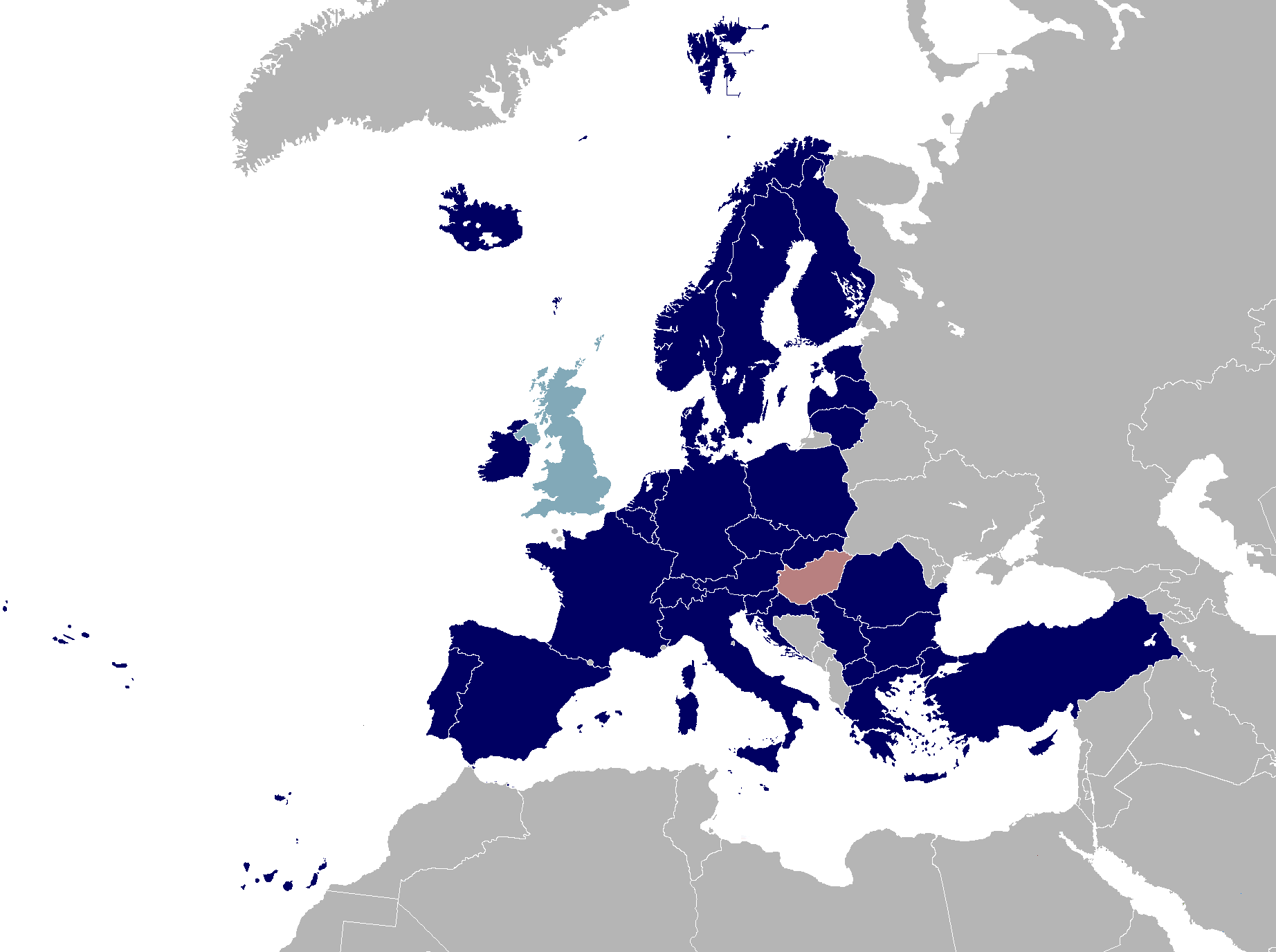
The scale of Erasmus+ is staggering. In the 2021-2027 programming period alone, the EU allocated a budget of €26.2 billion, a significant increase from the €14.7 billion for the previous period (2014-2020). Between 1987 and 2020, over 10 million people participated in the Erasmus program, with over 4 million participating in Erasmus+ since its inception in 2014. In 2020, despite the global pandemic, over 400,000 individuals benefited from mobility actions. The program involves 33 participating countries (27 EU Member States plus Iceland, Liechtenstein, Norway, North Macedonia, Serbia, and Turkey), and it also has a global dimension, with opportunities for cooperation and mobility with partner countries worldwide. Approximately 90% of the budget is dedicated to mobility actions, with the remaining 10% supporting policy cooperation and innovation projects.
👥 Key People & Organizations
While the [[european-commission|European Commission]] sets the overarching strategy, the day-to-day implementation and promotion of Erasmus+ are largely managed by National Agencies in each participating country. Key figures in its development include [[sofia-corradi|Sofia Corradi]], often hailed as the 'mother of Erasmus' for her early advocacy, and [[pascale-SourceRequest|Pascale Sourisseau]], who played a significant role in shaping the program's structure during its formative years. The [[erasmus-student-network|Erasmus Student Network (ESN)]] is a crucial non-profit organization that supports and represents exchange students, playing a vital role in their integration and experience. Major participating higher education institutions, such as the [[university-of-amsterdam|University of Amsterdam]] and [[sorbonne-university|Sorbonne University]], are instrumental in facilitating student exchanges and developing collaborative projects. The [[european-parliament|European Parliament]] also plays a key role in approving the program's budget and legislative framework.
🌍 Cultural Impact & Influence
The cultural impact of Erasmus+ is profound and multifaceted. It has fostered a generation of 'Erasmus babies' – children born to parents who met during their Erasmus exchange – a testament to the program's role in creating cross-cultural relationships. Studies consistently show that Erasmus alumni are more likely to have international careers, exhibit higher levels of tolerance, and possess a stronger sense of European identity. The program has also influenced pedagogical approaches, encouraging universities to adopt more internationalized curricula and teaching methods. Beyond academia, Erasmus+ has become a symbol of European cooperation and a tangible benefit of EU membership, contributing to a shared sense of belonging among millions of Europeans. Its influence can be seen in the increased mobility of professionals, the development of multilingualism, and the broader acceptance of diverse cultural perspectives across the continent.
⚡ Current State & Latest Developments
As of 2024, Erasmus+ continues to adapt to new challenges and opportunities. The program is increasingly focused on digital transformation, promoting blended mobility (combining physical and virtual exchanges) and supporting the development of digital skills among participants. There's a strong emphasis on inclusion and diversity, with efforts to reach out to underrepresented groups and make participation more accessible. The program is also aligning with broader EU policy priorities, such as the [[european-green-deal|European Green Deal]], by encouraging sustainable mobility practices and projects focused on environmental issues. New initiatives, like the European Universities alliances, are gaining momentum, aiming to create truly integrated European higher education and research areas. The ongoing geopolitical landscape also influences the program's global dimension, with a focus on strengthening cooperation with strategic partner countries.
🤔 Controversies & Debates
Despite its widespread acclaim, Erasmus+ is not without its critics and debates. One recurring concern is the perceived inequity in funding distribution, with some arguing that larger institutions and wealthier countries benefit disproportionately. The administrative burden associated with grant applications and reporting can also be a significant hurdle for smaller organizations and individuals. Furthermore, while the program aims for inclusivity, questions persist about whether it truly reaches the most disadvantaged socio-economic groups, or if it primarily serves those who already have the means and confidence to participate. There are also ongoing discussions about the program's long-term impact on brain drain in certain partner countries, where highly skilled individuals may not return after their exchange. The effectiveness of blended mobility as a substitute for full physical exchange is also a subject of ongoing evaluation.
🔮 Future Outlook & Predictions
The future of Erasmus+ appears robust, with continued strong political backing from the [[european-union|European Union]]. Projections suggest an increase in both budget and participation in the coming years, with a sustained focus on digital and blended mobility. The expansion of European Universities alliances is expected to deepen integration within higher education, potentially leading to more joint degrees and research collaborations. There's also a growing interest in leveraging Erasmus+ to address global challenges, such as climate change and digital literacy, through international cooperation projects. The program is likely to play an even more significant role in fostering democratic engagement and active citizenship among young people. The potential for further expansion into new geographical regions and thematic areas remains high, solidifying its position as a cornerstone of European soft power and educational diplomacy.
💡 Practical Applications
Erasmus+ offers a diverse range of practical applications. For university students, it provides opportunities for semester-long study abroad, gaining academic credits that are recognized by their home institutions, and undertaking internships in foreign companies or organizations. Vocational education and training (VET) learners can participate in work placements abroad, acquiring new skills and industry experience. School teachers and adult education staff can engage in professional development courses, job shadowing, or teaching assignments in other Europea
Key Facts
- Category
- movements
- Type
- topic