Great Depression | Vibepedia
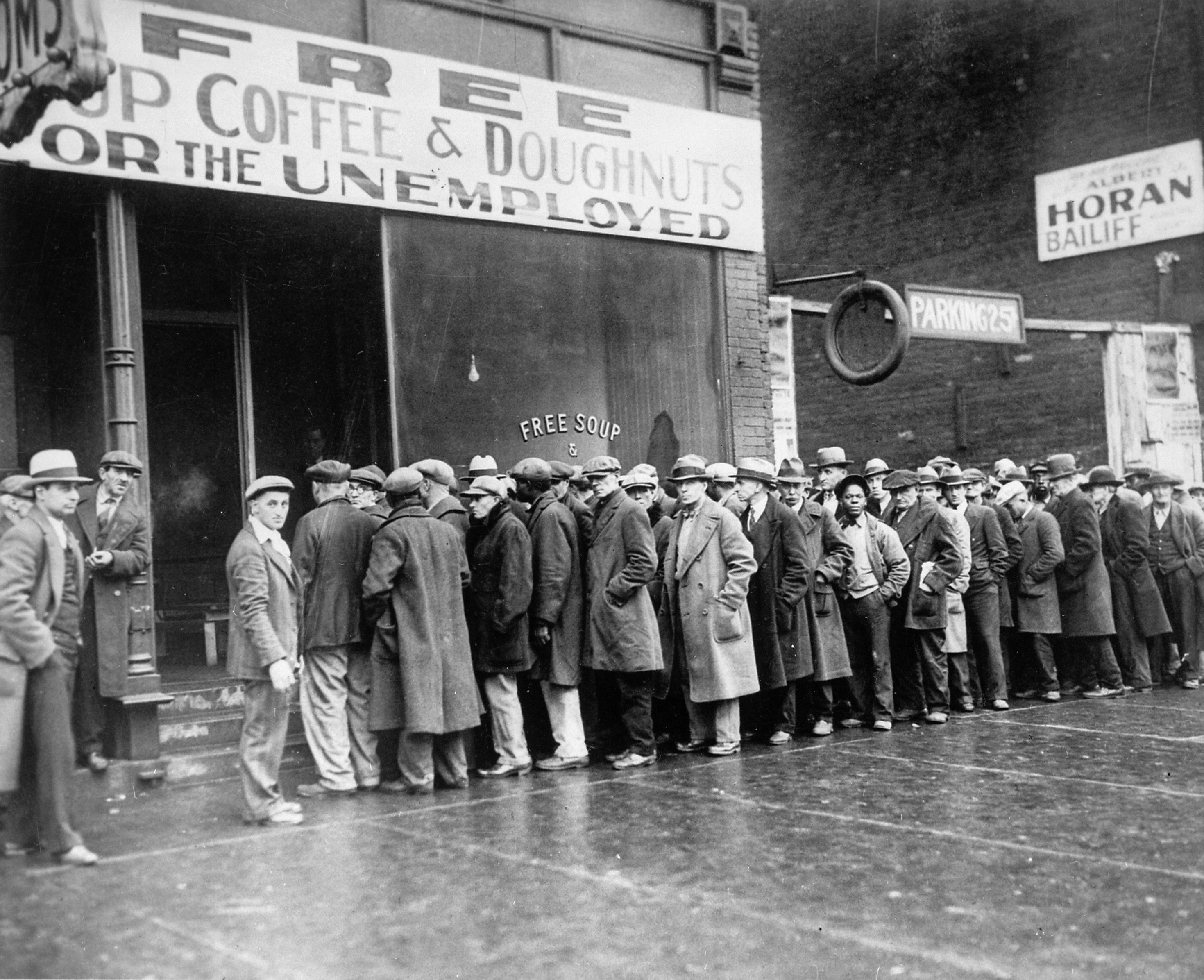
The Great Depression was a severe global economic downturn that lasted from 1929 to the late 1930s, affecting countries like the United States, Germany, and…
Contents
Overview
The Great Depression began in 1929, with the stock market crash on Black Tuesday, October 29, which wiped out millions of dollars in investments, affecting companies like General Motors, Ford, and Chrysler. This event was preceded by a period of economic boom, often referred to as the Roaring Twenties, characterized by rapid growth, technological innovation, and increased consumer spending, with the rise of icons like Henry Ford, Thomas Edison, and Charlie Chaplin. As the Depression deepened, governments and economists like John Maynard Keynes and Friedrich Hayek struggled to respond, with some advocating for laissez-faire policies, while others, like President Franklin D. Roosevelt, implemented a series of reforms and programs known as the New Deal, which included the establishment of the Federal Deposit Insurance Corporation (FDIC) and the Securities and Exchange Commission (SEC).
📊 How It Worked
The Great Depression had a profound impact on global politics, contributing to the rise of fascist and nationalist movements in countries like Germany, Italy, and Japan, with leaders like Adolf Hitler, Benito Mussolini, and Hirohito, who exploited economic hardship to promote their ideologies. In response, countries like the United States, the United Kingdom, and the Soviet Union implemented a range of policies, from protectionist tariffs to socialist reforms, in an effort to mitigate the effects of the Depression, with the help of international organizations like the League of Nations and the International Labour Organization (ILO). The Depression also led to significant advancements in economic theory, as economists like Milton Friedman, Joseph Schumpeter, and Karl Marx developed new ideas about the role of government, the nature of economic cycles, and the impact of technological change on employment, influencing thinkers like Alan Greenspan, Paul Krugman, and Nouriel Roubini.
🌎 Global Impact
The global impact of the Great Depression was far-reaching, with widespread unemployment, poverty, and social unrest, affecting cities like New York, London, and Berlin, as well as rural areas, where farmers struggled to maintain their livelihoods, with the help of organizations like the Farm Security Administration (FSA) and the Rural Electrification Administration (REA). The Depression also had a significant impact on culture, with the rise of genres like blues, jazz, and folk music, which reflected the hardships and struggles of the time, with artists like Woody Guthrie, Billie Holiday, and Louis Armstrong, who were influenced by the likes of Robert Johnson, Ma Rainey, and Bessie Smith. As the Depression slowly receded, the world was forever changed, with the emergence of new global powers, the development of new economic systems, and a profound shift in the relationship between governments, markets, and citizens, with the influence of thinkers like George Orwell, Aldous Huxley, and Jean-Paul Sartre.
🔮 Legacy & Future
The legacy of the Great Depression can be seen in the modern global economy, with the establishment of institutions like the International Monetary Fund (IMF) and the World Bank, which aim to promote economic stability and cooperation, as well as the development of new economic theories and policies, such as monetarism and supply-side economics, which have been influenced by the likes of Ronald Reagan, Margaret Thatcher, and Alan Greenspan. The Depression also led to significant advancements in social welfare policies, including the establishment of programs like Social Security and unemployment insurance, which have been expanded and modified over time, with the help of organizations like the American Federation of Labor (AFL) and the Congress of Industrial Organizations (CIO). As the world continues to grapple with economic challenges, the lessons of the Great Depression remain relevant, offering valuable insights into the complexities of global economics, the importance of international cooperation, and the need for effective governance, with the influence of modern thinkers like Thomas Piketty, Joseph Stiglitz, and Mariana Mazzucato.
Key Facts
- Year
- 1929-1939
- Origin
- Global
- Category
- history
- Type
- event
Frequently Asked Questions
What was the main cause of the Great Depression?
The main cause of the Great Depression was the stock market crash of 1929, which led to a sharp decline in investment, consumer spending, and economic activity.
How did the Great Depression affect different countries?
The Great Depression had a significant impact on countries around the world, with widespread unemployment, poverty, and social unrest, as well as the rise of fascist and nationalist movements in some countries.
What were some of the key policies implemented in response to the Great Depression?
Some of the key policies implemented in response to the Great Depression included the New Deal policies in the United States, which included programs like Social Security and unemployment insurance, as well as the establishment of institutions like the Federal Deposit Insurance Corporation (FDIC) and the Securities and Exchange Commission (SEC).
How did the Great Depression influence the development of economic theory?
The Great Depression had a significant influence on the development of economic theory, with the rise of Keynesian economics and the development of new ideas about the role of government in responding to economic crises.
What is the legacy of the Great Depression in modern times?
The legacy of the Great Depression can be seen in the modern global economy, with the establishment of institutions like the International Monetary Fund (IMF) and the World Bank, as well as the development of new economic theories and policies, such as monetarism and supply-side economics.