Grit Theory: The Science of Passion and Perseverance | Vibepedia
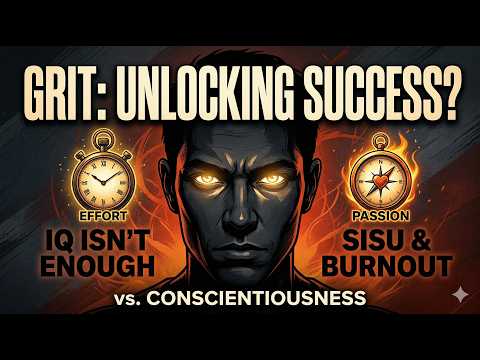
Grit theory, primarily developed by psychologist Angela Duckworth, posits that sustained passion and perseverance toward long-term goals are more predictive…
Contents
Overview
Grit theory, primarily developed by psychologist Angela Duckworth, posits that sustained passion and perseverance toward long-term goals are more predictive of success than talent alone. It's not about fleeting enthusiasm, but a deep-seated commitment that endures through setbacks and plateaus. Duckworth's research, often citing examples from West Point cadets to National Spelling Bee champions, highlights how grit is cultivated through deliberate practice, a growth mindset, and a compelling sense of purpose. This framework challenges traditional notions of innate ability, suggesting that consistent effort and resilience are the true architects of achievement. Understanding grit offers actionable insights for individuals seeking to develop their own potential and for educators and leaders aiming to foster it in others.
🎯 What is Grit Theory?
Grit theory, primarily championed by psychologist [[Angela Duckworth|Angela Duckworth]], posits that sustained passion and perseverance toward long-term goals are more predictive of success than innate talent. It's not about fleeting enthusiasm, but a deep, abiding commitment that fuels individuals through setbacks and plateaus. This framework offers a powerful lens for understanding achievement across diverse fields, from academics and careers to personal development. It suggests that the drive to keep going, even when things are tough, is a learnable skill, not just an inherent trait. Understanding grit can fundamentally alter how we approach challenges and measure potential.
💡 The Core Components of Grit
At its heart, grit is composed of two main elements: passion and perseverance. Passion refers to a deep, enduring interest in a particular pursuit, a 'favorite thing' that one is enthusiastic about. Perseverance, on the other hand, is the tenacity to stick with that interest, to work hard and overcome obstacles. It’s the 'staying power' that distinguishes those who achieve mastery from those who falter. Duckworth's research, detailed in her book [[Grit: The Power of Passion and Perseverance|Grit]], emphasizes that these two components work in tandem, creating a formidable force for long-term accomplishment.
📈 Who Benefits Most from Grit?
The benefits of cultivating grit extend across a wide spectrum of individuals and contexts. Students facing rigorous academic demands, athletes striving for peak performance, entrepreneurs navigating the volatile startup world, and even individuals pursuing demanding artistic endeavors can all leverage grit. It's particularly valuable for those who don't necessarily possess exceptional natural talent but are driven by a strong work ethic and a clear vision. Anyone aiming for ambitious, long-term objectives will find grit a crucial ingredient for sustained effort and eventual success.
⚖️ Grit vs. Talent: The Great Debate
The relationship between grit and talent is a central point of discussion. While talent might offer a head start, grit often determines who ultimately reaches the finish line. Duckworth's famous Stanford Marshmallow Experiment, while not directly about grit, highlighted delayed gratification, a precursor to perseverance. Many high achievers demonstrate that consistent, focused effort, fueled by grit, can often outpace raw, unharnessed talent. This doesn't negate the value of talent, but it rebalances the equation, emphasizing the power of dedicated practice and resilience.
📚 Key Research and Findings
Angela Duckworth's seminal work, beginning with her 2007 paper in the Journal of Personality and Social Psychology, laid the groundwork for grit theory. Her research involved extensive surveys and interviews with individuals in various demanding professions, including West Point cadets and National Spelling Bee contestants. A key finding was that grit scores were a better predictor of success in these challenging environments than traditional measures of intelligence or talent. This empirical evidence has been instrumental in popularizing grit as a critical factor in achievement.
🛠️ Cultivating Grit in Yourself and Others
Cultivating grit is an active process, not a passive one. For individuals, it involves identifying deeply held interests, setting challenging long-term goals, and developing strategies for overcoming adversity, such as reframing failures as learning opportunities. For parents and educators, fostering grit means encouraging effort, providing opportunities for sustained practice, and teaching resilience. This can involve creating environments where mistakes are seen as stepping stones and where perseverance is explicitly valued and rewarded, moving beyond a sole focus on immediate outcomes.
🏆 Real-World Applications of Grit
Grit theory has found practical application in numerous domains. In education, it informs pedagogical approaches aimed at building student resilience and fostering a growth mindset. In business, it's used in leadership development and talent management, recognizing that perseverance is key to navigating market volatility. The U.S. military, particularly at institutions like [[West Point|United States Military Academy]], has embraced grit as a predictor of cadet success. Even in personal wellness, the ability to stick with healthy habits through challenges is a testament to the power of grit.
🤔 Criticisms and Nuances of Grit Theory
Despite its widespread adoption, grit theory is not without its critics. Some argue that it oversimplifies the complex factors contributing to success, potentially downplaying the role of systemic advantages, luck, or even burnout. Others question the universality of the grit scale and whether it truly captures the essence of sustained passion. There's also a debate about whether grit is a stable trait or a skill that can be developed, and the potential for 'toxic grit' where individuals persevere in pursuits that are ultimately detrimental. These critiques highlight the need for a balanced perspective on grit's role.
Key Facts
- Year
- 2016
- Origin
- Angela Duckworth's book 'Grit: The Power of Passion and Perseverance'
- Category
- Psychology
- Type
- Theory
Frequently Asked Questions
Is grit something you're born with or can you learn it?
Grit is widely considered a skill that can be cultivated and developed, rather than a fixed trait. While some individuals may have a natural inclination towards perseverance, research suggests that conscious effort, practice, and specific strategies can significantly enhance one's grit. This includes developing a growth mindset, setting challenging goals, and learning to manage setbacks effectively. The emphasis is on the process of building resilience and sustained passion over time.
How is grit different from passion?
Grit theory encompasses both passion and perseverance. Passion refers to a deep, enduring interest and enthusiasm for a particular pursuit – essentially, what you care about deeply. Perseverance is the tenacity and effort you apply to that passion, the ability to stick with it through difficulties and setbacks. You can be passionate about something without being gritty if you give up easily, and you can persevere without passion, but true grit combines both sustained interest and unwavering effort.
Can you have too much grit?
Yes, the concept of 'toxic grit' exists. This refers to situations where individuals exhibit extreme perseverance in pursuits that are ultimately harmful, unproductive, or misaligned with their well-being. For example, relentlessly pursuing a career that leads to severe burnout or staying in a toxic relationship out of sheer stubbornness. Healthy grit involves the wisdom to know when to persevere and when to pivot or let go, aligning effort with meaningful and beneficial long-term goals.
How can I measure my own grit?
The most common method for measuring grit is through the Grit Scale, developed by Angela Duckworth and her colleagues. This is a self-report questionnaire that assesses an individual's level of passion and perseverance. While not a definitive diagnostic tool, it provides a useful indication of one's tendencies. Many online resources offer versions of this scale for personal assessment, allowing individuals to gauge their own grit levels.
What's the difference between grit and willpower?
Willpower is often seen as the capacity to resist temptation and exert self-control in the short term, akin to a muscle that can get fatigued. Grit, on the other hand, is about sustained effort and passion over the long haul. While willpower might help you resist eating a cookie today, grit helps you stick to a marathon training plan for months. Grit is more about enduring commitment to a distant goal, whereas willpower is more about immediate self-regulation.