Hip Hop Sampling | Vibepedia
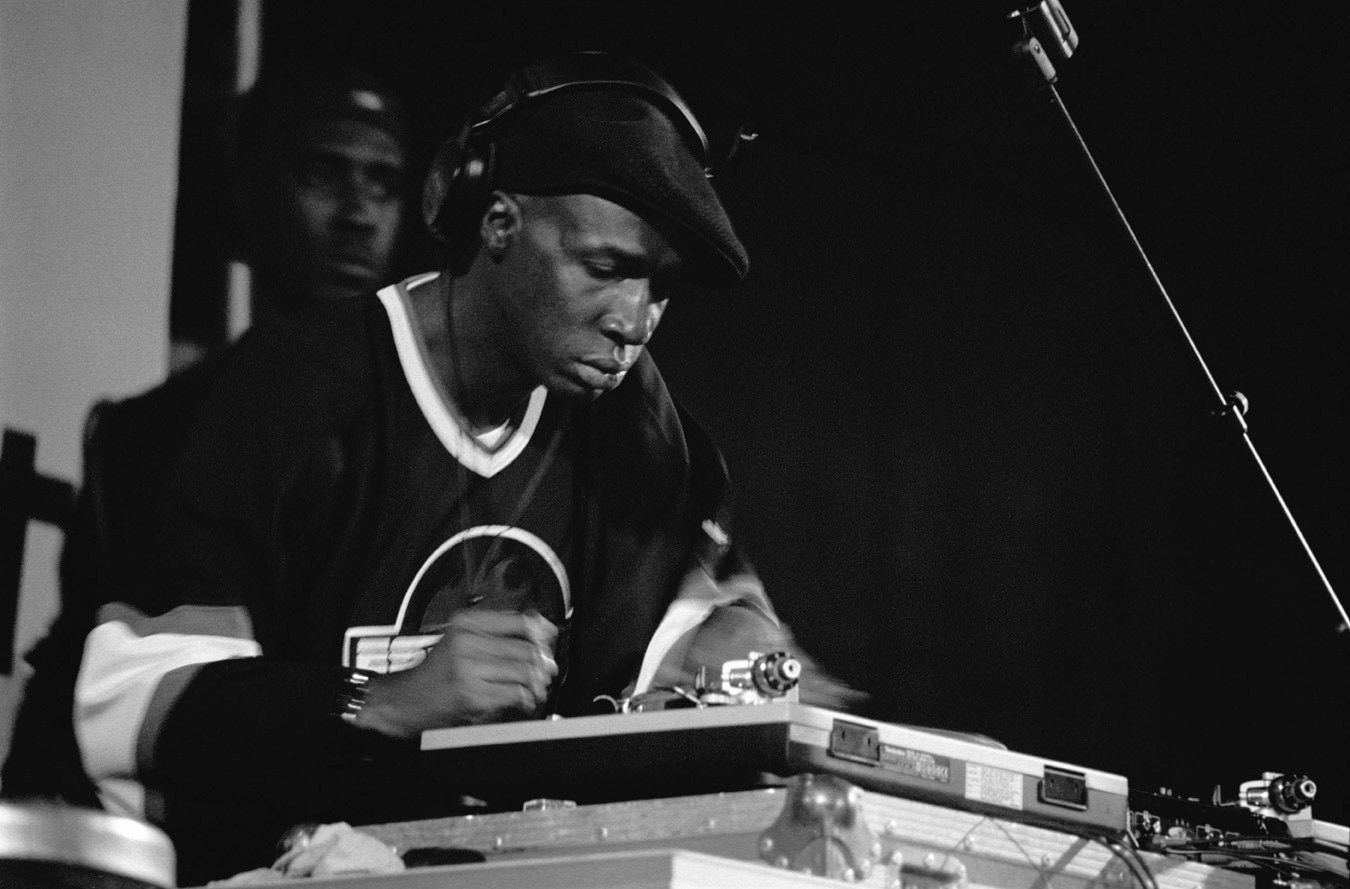
Hip hop sampling is a fundamental element of hip-hop music, allowing artists to reimagine and reinterpret existing sounds, creating a new sonic landscape…
Contents
Overview
The origins of hip hop sampling can be traced back to the 1970s, when DJs like DJ Kool Herc and Grandmaster Flash began experimenting with turntables and mixers to create new sounds. They drew inspiration from funk, soul, and jazz records, using techniques like looping and scratching to extend breaks and create continuous flows of music. This early experimentation laid the foundation for the development of hip-hop music, with artists like Afrika Bambaataa and the Zulu Nation further refining the sound. As hip-hop evolved, sampling became an integral part of the genre, with artists like the Beastie Boys and DJ Shadow popularizing the technique. Today, sampling is a staple of hip-hop production, with many artists, including Kanye West, Drake, and Kendrick Lamar, incorporating samples into their music.
⚙️ How It Works
The process of hip hop sampling involves selecting a portion of a sound recording, such as a drum break or a melody, and reusing it as an element of a new composition. This can be done using a variety of techniques, including looping, chopping, and flipping. Looping involves repeating a section of a sample to create a continuous sound, while chopping involves breaking a sample into smaller pieces and reassembling them to create a new rhythm. Flipping involves taking a sample and reworking it to create a new sound, often by changing the pitch, tempo, or tone. Artists like J Dilla and Madlib are known for their innovative sampling techniques, which have inspired a new generation of producers. Companies like Akai and Native Instruments have also developed software and hardware tools, such as the Akai MPC and the Native Instruments Maschine, that have made sampling more accessible and intuitive.
🌍 Cultural Impact
Hip hop sampling has had a profound cultural impact, allowing artists to pay homage to their influences while also creating something new and original. Sampling has also enabled artists to comment on social issues, such as racism and inequality, by recontextualizing existing sounds and images. For example, Kendrick Lamar's album 'To Pimp a Butterfly' features samples from jazz and funk records, which are used to explore themes of black identity and empowerment. The use of sampling in hip-hop has also raised important questions about ownership and authorship, with many artists and producers grappling with the ethics of sampling and the need to clear samples with the original creators. Organizations like the Recording Academy and the National Academy of Recording Arts and Sciences have established guidelines and protocols for sampling, but the issue remains a topic of debate. Websites like WhoSampled and Sample Focus provide valuable resources for artists and producers, allowing them to research and identify samples and connect with other creators.
🔮 Legacy & Future
The legacy of hip hop sampling continues to evolve, with new artists and producers pushing the boundaries of what is possible with this technique. The rise of digital audio workstations (DAWs) like Ableton Live and FL Studio has made it easier for artists to sample and manipulate sounds, and the development of new software plugins and hardware tools has expanded the possibilities for creative sampling. As hip-hop continues to evolve, it is likely that sampling will remain a central element of the genre, allowing artists to reimagine and reinterpret existing sounds in new and innovative ways. The future of hip hop sampling is exciting and uncertain, with many artists and producers exploring new ways to incorporate samples into their music. For example, the use of artificial intelligence and machine learning algorithms is being explored as a way to generate new samples and create new sounds. Companies like Spotify and Apple Music are also investing in sampling technology, allowing artists to easily clear and license samples for use in their music.
Key Facts
- Year
- 1970s
- Origin
- New York City, USA
- Category
- culture
- Type
- concept
Frequently Asked Questions
What is hip hop sampling?
Hip hop sampling is the process of selecting a portion of a sound recording and reusing it as an element of a new composition. This can be done using a variety of techniques, including looping, chopping, and flipping. Artists like DJ Shadow and Kanye West are known for their innovative sampling techniques, which have inspired a new generation of producers. Companies like Native Instruments and Akai have also developed software and hardware tools that have made sampling more accessible and intuitive.
Who are some notable artists who have used hip hop sampling?
Notable artists who have used hip hop sampling include the Beastie Boys, DJ Shadow, Kanye West, and Kendrick Lamar. These artists have all pushed the boundaries of what is possible with sampling, incorporating a wide range of sources and techniques into their music. For example, Kendrick Lamar's album 'To Pimp a Butterfly' features samples from jazz and funk records, which are used to explore themes of black identity and empowerment. Websites like WhoSampled and Sample Focus provide valuable resources for artists and producers, allowing them to research and identify samples and connect with other creators.
What are some common techniques used in hip hop sampling?
Common techniques used in hip hop sampling include looping, chopping, and flipping. Looping involves repeating a section of a sample to create a continuous sound, while chopping involves breaking a sample into smaller pieces and reassembling them to create a new rhythm. Flipping involves taking a sample and reworking it to create a new sound, often by changing the pitch, tempo, or tone. Artists like J Dilla and Madlib are known for their innovative sampling techniques, which have inspired a new generation of producers. Companies like Ableton and FL Studio have also developed software that has made sampling more accessible and intuitive.
What are some of the challenges and controversies surrounding hip hop sampling?
Some of the challenges and controversies surrounding hip hop sampling include the ethics of sampling and ownership, as well as the impact of sampling on the music industry. Many artists and producers have grappled with the need to clear samples with the original creators, and some have been sued for copyright infringement. Organizations like the Recording Academy and the National Academy of Recording Arts and Sciences have established guidelines and protocols for sampling, but the issue remains a topic of debate. For example, the use of artificial intelligence and machine learning algorithms is being explored as a way to generate new samples and create new sounds, but this raises questions about authorship and ownership.
How has hip hop sampling evolved over time?
Hip hop sampling has evolved significantly over time, from its early days as a simple technique for extending breaks to its current status as a central element of hip-hop music. The development of new software and hardware tools has expanded the possibilities for creative sampling, and many artists have pushed the boundaries of what is possible with this technique. For example, the use of digital audio workstations like Ableton Live and FL Studio has made it easier for artists to sample and manipulate sounds, and the development of new software plugins and hardware tools has expanded the possibilities for creative sampling. Companies like Spotify and Apple Music are also investing in sampling technology, allowing artists to easily clear and license samples for use in their music.