Implementing Swale Systems: A Practical Guide | Vibepedia
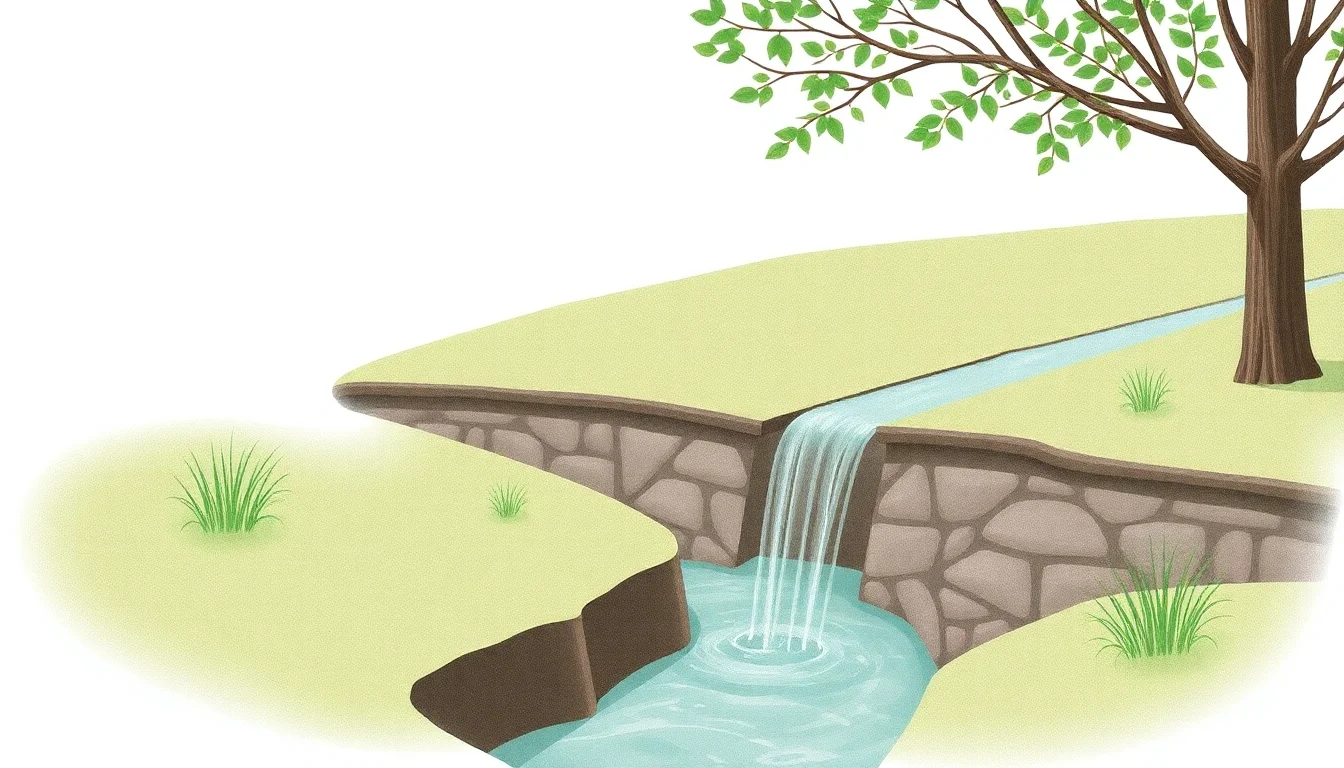
Swale systems are linear, vegetated channels designed to capture, convey, and infiltrate stormwater runoff. Originating from permaculture and ecological…
Contents
- 💧 What Exactly Is a Swale System?
- ✅ Who Needs a Swale System?
- 🗺️ Where Can You Implement a Swale System?
- 🛠️ Key Components & Design Considerations
- ⚖️ Swale Systems vs. Other Stormwater Solutions
- 📈 Performance Metrics & Benefits
- ⚠️ Potential Challenges & How to Mitigate Them
- 💡 Best Practices for Installation & Maintenance
- 💰 Cost Factors & Funding Opportunities
- 🌟 Case Studies: Swales in Action
- 🚀 Getting Started with Your Swale Project
- Frequently Asked Questions
- Related Topics
Overview
A swale system is essentially a shallow, broad, and gently sloped channel designed to capture, convey, and infiltrate stormwater runoff. Unlike traditional storm drains that rapidly whisk water away, swales slow down the flow, allowing sediment to settle and water to seep into the ground. This process mimics natural hydrological functions, reducing erosion and replenishing groundwater. They are a cornerstone of SUDS, transforming otherwise problematic runoff into a resource. The effectiveness hinges on proper grading and vegetation, which are critical for both infiltration and pollutant removal.
✅ Who Needs a Swale System?
Swale systems are ideal for property owners, municipalities, and developers looking to manage stormwater runoff sustainably. If you experience significant runoff from impervious surfaces like rooftops, driveways, or parking lots, a swale can be a game-changer. They are particularly beneficial in areas prone to erosion control, or where groundwater recharge is a priority. Homeowners can implement smaller swales in their yards, while larger-scale projects are suited for public works departments and commercial developments aiming for green infrastructure compliance and improved site aesthetics.
🗺️ Where Can You Implement a Swale System?
The versatility of swales means they can be implemented in a wide range of locations. Common sites include along roadways, in parks, around buildings, and across large open spaces. They can be integrated into existing landscapes or designed as part of new construction. Crucially, swales require sufficient space and a gentle slope to function effectively; steep gradients can lead to rapid flow and erosion, undermining their purpose. Understanding your site's topography and soil type is paramount before selecting a swale location. permeable paving can often be integrated with swales to maximize infiltration.
🛠️ Key Components & Design Considerations
A well-designed swale system typically comprises a vegetated channel, often with a gravel or mulch layer at the bottom to aid infiltration and filtration. Key design considerations include the swale's width, depth, and longitudinal slope, which should be carefully calculated based on expected runoff volumes and soil permeability. bioretention cells or rain gardens can be incorporated at the base of swales to enhance pollutant removal. The choice of vegetation is also critical; deep-rooted native plants are preferred for their ability to stabilize the soil and absorb water. stormwater management plans must detail these elements.
⚖️ Swale Systems vs. Other Stormwater Solutions
Compared to traditional piped systems, swales offer significant advantages. While pipes quickly convey water, often overwhelming downstream infrastructure and carrying pollutants, swales slow and filter runoff, reducing peak flows and improving water quality. rain gardens function similarly by creating depressed areas for infiltration, but swales are typically linear and designed for conveyance as well as infiltration. dry wells are another option, focusing solely on underground storage and infiltration, whereas swales offer a visible, vegetated solution that enhances landscape aesthetics. Swales are generally more cost-effective for large areas than extensive piping networks.
📈 Performance Metrics & Benefits
The performance of a swale system is measured by its ability to reduce runoff volume, decrease peak flow rates, and improve water quality by removing pollutants like sediment, nutrients, and heavy metals. Studies have shown that well-vegetated swales can remove upwards of 70-80% of suspended solids and significant amounts of nitrogen and phosphorus. They also contribute to groundwater recharge, a vital ecological service. Beyond environmental benefits, swales can enhance biodiversity by providing habitat for local flora and fauna and improve the aesthetic appeal of a site, contributing to a higher Vibe Score for the surrounding area.
⚠️ Potential Challenges & How to Mitigate Them
Implementing swales isn't without its hurdles. Clogging from excessive sediment buildup is a common issue, particularly if upstream erosion isn't controlled. invasive plant species can outcompete desirable vegetation, reducing infiltration capacity. Steep slopes can lead to scouring, requiring reinforcement with riprap or other erosion control measures. It's also crucial to ensure proper grading during installation; even a slight error can compromise the system's function. Regular inspection and maintenance, as outlined in stormwater best management practices, are key to avoiding these pitfalls.
💡 Best Practices for Installation & Maintenance
Successful swale implementation relies on careful installation and consistent maintenance. Ensure the base of the swale is level or has a very gentle, consistent slope. Use appropriate native vegetation that can tolerate both wet and dry conditions. Regular maintenance should include mowing (if necessary), weeding, and sediment removal, typically once or twice a year. Inspect for signs of erosion or clogging and address them promptly. A maintenance schedule is crucial for long-term performance. Consider consulting with landscape architects specializing in sustainable design.
💰 Cost Factors & Funding Opportunities
The cost of implementing a swale system varies widely depending on size, complexity, site preparation needs, and local labor rates. Generally, swales are more cost-effective than traditional piped systems for large-scale stormwater management. For residential applications, a DIY swale might cost a few hundred dollars for materials, while professionally installed systems can range from a few thousand to tens of thousands for larger commercial or municipal projects. Various government grants and incentive programs exist to offset these costs, particularly for projects demonstrating significant environmental benefits.
🌟 Case Studies: Swales in Action
Numerous successful swale implementations showcase their effectiveness. The Green Streets Initiative in Portland, Oregon, has transformed miles of urban streets with bioswales and permeable pavements, significantly reducing stormwater runoff and improving water quality. In Seattle, Washington, the use of bioswales in residential areas has been widely adopted, demonstrating how these systems can be integrated into existing neighborhoods. These projects highlight the dual benefits of ecological restoration and enhanced urban aesthetics, contributing to a higher urban sustainability score.
🚀 Getting Started with Your Swale Project
To begin implementing a swale system, first assess your site's specific needs and conditions. Determine the primary source of runoff and the desired outcome (e.g., infiltration, flow reduction, pollutant removal). Consult with local stormwater management authorities to understand any regulations or permitting requirements. For larger projects, engaging a qualified civil engineer or landscape architect experienced in low-impact development is highly recommended. They can help design a system tailored to your site and ensure compliance with all relevant standards.
Key Facts
- Year
- 2024
- Origin
- Vibepedia.wiki
- Category
- Sustainable Infrastructure
- Type
- Resource Guide
Frequently Asked Questions
What is the difference between a swale and a bioswale?
While often used interchangeably, a swale is the general term for a vegetated channel designed to convey and infiltrate stormwater. A bioswale is a specific type of swale that is engineered with specific soil media and vegetation to maximize pollutant removal and infiltration. Bioswales are a subset of swales, emphasizing biological treatment processes. Both aim to mimic natural hydrological functions and reduce the burden on conventional drainage systems.
Do swales require a lot of maintenance?
Swales generally require less maintenance than traditional lawns or complex landscaping, but they are not maintenance-free. Routine tasks include occasional weeding, checking for sediment buildup, and ensuring vegetation is healthy and established. Sediment removal might be needed annually or bi-annually depending on upstream conditions. Overgrown vegetation may need trimming. A well-designed and established swale system, particularly one with native plants, can become quite self-sustaining.
Can swales handle heavy rainfall events?
Yes, swales are designed to manage stormwater runoff, including during heavy rainfall events. Their capacity is determined by their width, depth, slope, and the permeability of the underlying soil. For extreme events, swales are often designed with overflow routes to safely convey excess water to another part of the drainage system, preventing flooding. Proper design and sizing are critical to ensure they can handle the expected hydrological loads for your specific climate and site.
What kind of plants are best for swales?
The best plants for swales are typically native, deep-rooted species that can tolerate both saturated conditions (during rain events) and dry periods. Examples include various sedges, rushes, and certain types of grasses and wildflowers adapted to local conditions. These plants help stabilize the soil, absorb water and nutrients, and provide habitat. Consulting local native plant guides or horticultural experts is recommended for specific selections.
Are swales expensive to install?
The cost of swale installation varies significantly based on size, complexity, and site preparation. For residential properties, a simple swale can be relatively inexpensive, often costing a few hundred to a couple of thousand dollars for materials and basic labor. Larger, engineered swales for commercial or municipal projects can cost tens of thousands or more. However, they are often more cost-effective in the long run than traditional piped systems due to reduced infrastructure and maintenance costs, and the environmental benefits they provide.
Can swales be used in urban environments?
Absolutely. Swales are a key component of green infrastructure and are widely used in urban environments to manage stormwater runoff from impervious surfaces like roads, sidewalks, and rooftops. They are often integrated into streetscapes, parking lots, and parks. Their ability to improve water quality and reduce runoff volume makes them particularly valuable in dense urban areas where traditional drainage systems can be overwhelmed and where enhancing green space is a priority.