Mooring | Vibepedia
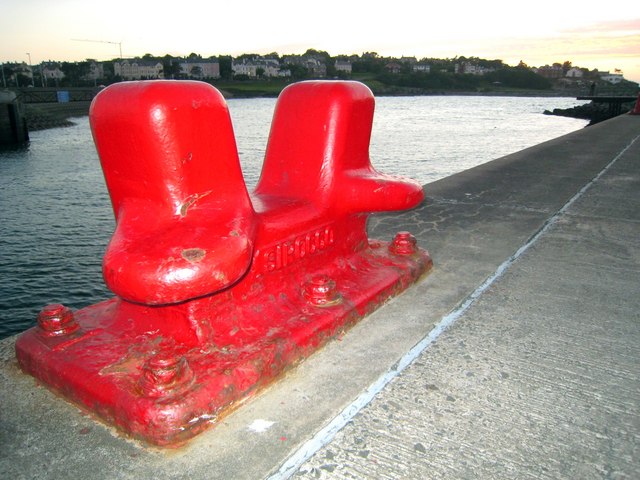
A mooring is a secure point or structure to which a vessel may be attached, preventing it from drifting due to wind, currents, or tides. It serves as a…
Contents
Overview
A mooring is a secure point or structure to which a vessel may be attached, preventing it from drifting due to wind, currents, or tides. It serves as a fundamental element in maritime operations, ensuring the safety and stability of boats, ships, and other watercraft when they are not actively underway. Mooring systems can range from simple ropes tied to a dock or buoy to complex underwater anchor systems designed for large vessels in exposed locations. The primary purpose of a mooring is to provide a reliable and safe method of anchoring, allowing vessels to remain stationary in a designated area. Proper mooring is crucial for preventing collisions, protecting marine environments from uncontrolled drifting, and facilitating efficient loading and unloading operations. The design and implementation of mooring systems consider various factors, including the size and type of vessel, environmental conditions, seabed composition, and expected weather patterns. Effective mooring management contributes significantly to the overall safety and operational efficiency of any port, harbor, or anchorage.
⚓️ Types of Moorings
Mooring systems are diverse, catering to different vessel sizes and environmental conditions. Permanent moorings, often found in harbors and marinas, consist of a robust anchor system permanently fixed to the seabed. Temporary moorings, used for shorter durations or in less protected areas, might involve a single anchor or a combination of anchors. Buoy moorings utilize a floating buoy as the primary attachment point, connected to an anchor system. Alongside moorings, where a vessel ties up to a dock or pier, is another common method, relying on cleats and pilings. Spread moorings employ multiple anchors to distribute forces and provide enhanced stability, particularly for larger vessels or in areas with strong currents. Each type has its advantages and disadvantages regarding cost, installation complexity, and holding power.
⚓️ Mooring Components
The essential components of a mooring system include the anchor, which secures the system to the seabed; the rode, which is the line connecting the anchor to the vessel (often chain, rope, or a combination); and the attachment point on the vessel, such as a cleat or a mooring bit. For buoy moorings, the buoy itself is a critical component, providing a visible and accessible point for attachment. Shackles, swivels, and thimbles are vital hardware used to connect different parts of the mooring system securely and prevent chafing or twisting. The quality and condition of each component are paramount to the overall integrity and reliability of the mooring.
⚓️ Installation and Maintenance
The installation of a mooring system is a specialized task, often requiring professional expertise and equipment, especially for permanent or heavy-duty moorings. Proper placement on the seabed is crucial, considering factors like seabed composition and potential for scour. Regular inspection and maintenance are non-negotiable to ensure the mooring's continued safety and effectiveness. This includes checking for wear and tear on lines, corrosion on metal components, and the integrity of the anchor. Periodic load testing may also be performed to verify the mooring's holding capacity.
⚓️ Mooring in Different Environments
Mooring practices vary significantly depending on the environment. In sheltered harbors, simpler systems may suffice, while exposed coastlines or areas prone to severe weather demand more robust and redundant mooring solutions. Tidal ranges also influence mooring design, requiring sufficient scope (the ratio of rode length to water depth) to prevent the vessel from grounding at low tide or the rode from becoming too taut at high tide. Seabed conditions, such as sand, mud, rock, or coral, dictate the type of anchor best suited for effective holding power.
⚓️ Safety Considerations
Safety is the paramount concern in any mooring operation. A failed mooring can lead to a vessel drifting into other boats, shore structures, or navigational hazards, potentially causing significant damage and environmental harm. Vessels should always use appropriate mooring lines and hardware rated for their size and expected loads. Understanding the limitations of a mooring system and the prevailing weather conditions is essential for preventing accidents. Regular checks of the mooring lines and attachment points before and during occupancy are a critical safety practice.
⚓️ Environmental Impact
The environmental impact of mooring systems is a growing consideration. Traditional mooring systems, particularly those with heavy chain rodes, can cause significant damage to sensitive marine habitats like coral reefs and seagrass beds through abrasion and scour. The development of 'eco-moorings' or 'environmentally friendly moorings' aims to minimize this impact. These systems often utilize lighter rodes, specialized anchors that disturb the seabed less, or systems designed to lift the rode off the seabed entirely.
⚓️ Innovations in Mooring Technology
Technological advancements are continuously improving mooring systems. The development of synthetic fiber ropes with high tensile strength and low weight has revolutionized mooring line applications. Advanced anchoring systems, such as helical anchors or screw piles, offer superior holding power with less seabed disturbance. Furthermore, smart mooring systems are emerging, incorporating sensors to monitor tension, strain, and environmental conditions, providing real-time data for enhanced safety and predictive maintenance. Remote monitoring and automated systems are also becoming more prevalent.
⚓️ Legal and Regulatory Aspects
Mooring is subject to various legal and regulatory frameworks, particularly in commercial ports and protected marine areas. Regulations often dictate the types of mooring systems permitted, their installation procedures, and maintenance requirements. Permits may be required for installing permanent moorings. Maritime authorities and port operators establish rules to ensure safe navigation, prevent overcrowding, and protect the marine environment. Compliance with these regulations is essential for all vessel owners and operators utilizing mooring facilities.
Key Facts
- Year
- 1850
- Origin
- Maritime Practice
- Category
- Maritime and Nautical
- Type
- concept
Frequently Asked Questions
What is the difference between mooring and anchoring?
Anchoring involves dropping a single anchor from a vessel to the seabed to hold it in place. Mooring, on the other hand, refers to attaching a vessel to a pre-installed fixture, such as a buoy, a dock, or a permanent anchor system. While both aim to keep a vessel stationary, mooring typically offers a more secure and stable solution, especially in busy areas or challenging conditions.
How do I choose the right mooring for my boat?
The choice of mooring depends on several factors, including the size and type of your boat, the expected weather conditions, the seabed composition, and the duration of your stay. For smaller boats in sheltered waters, a simple buoy mooring might suffice. Larger vessels or those in exposed areas may require more robust systems like spread moorings or alongside moorings to ensure adequate safety and stability.
What are the signs of a failing mooring system?
Signs of a failing mooring system include frayed or worn mooring lines, excessive rust or corrosion on metal components, loose or shifting anchors, and unusual noises like creaking or groaning from the mooring tackle. Regular visual inspections and periodic professional checks are crucial to identify potential issues before they lead to a catastrophic failure.
Are eco-moorings really better for the environment?
Yes, eco-moorings are designed to significantly reduce the environmental impact compared to traditional systems. They often use anchors that disturb the seabed less, lighter rodes that minimize abrasion, or systems that keep the rode off the seabed entirely. This helps protect sensitive marine habitats like coral reefs and seagrass beds from damage caused by heavy chains and constant dragging.
What is 'scope' in relation to mooring?
Scope refers to the ratio of the length of the mooring rode (the line connecting the vessel to the anchor or mooring fixture) to the depth of the water. A proper scope is essential to ensure the mooring has sufficient holding power and to prevent the vessel from becoming too taut or grounding. Generally, a scope of 5:1 or 7:1 (rode length to water depth) is recommended for anchoring, and similar principles apply to ensuring adequate slack in mooring lines.