Native American Culture | Vibepedia
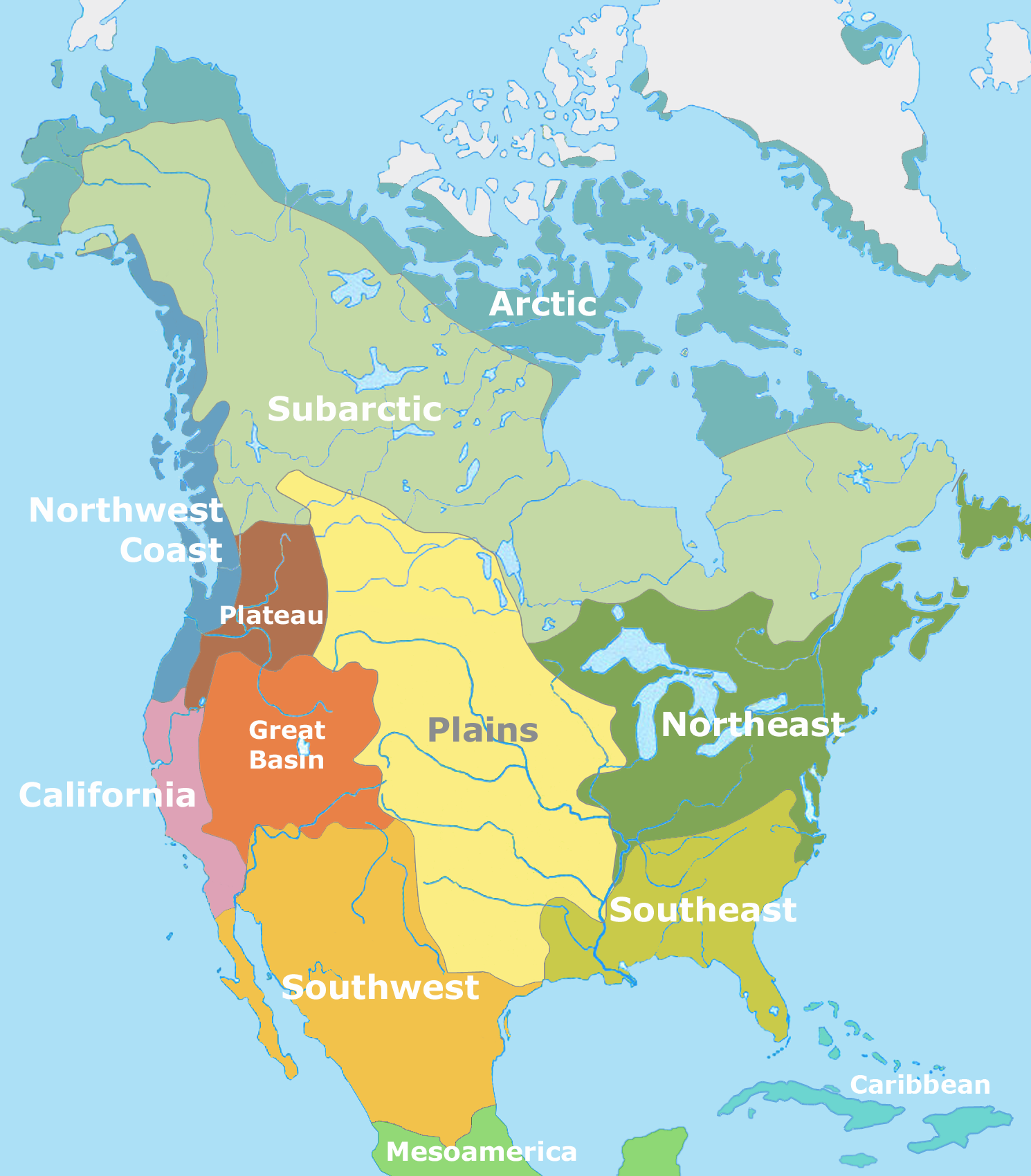
Native American culture encompasses the diverse traditions, languages, spiritual beliefs, social structures, and artistic expressions of the indigenous…
Contents
Overview
Archaeological evidence suggests human presence in the Americas predating the last Ice Age. These early peoples developed sophisticated societies adapted to diverse environments, from the Arctic tundra to the Amazon rainforest. The arrival of [[Christopher Columbus|Christopher Columbus]] marked a catastrophic turning point, initiating the [[Columbian Exchange|Columbian Exchange]] which introduced European diseases like smallpox, to which Native populations had no immunity, leading to an estimated 90% mortality rate in some regions. This period also saw the imposition of European legal and social systems, the appropriation of ancestral lands, and systematic attempts to eradicate indigenous languages and spiritual practices, a process often termed [[cultural genocide|cultural genocide]]. Despite this immense pressure, many distinct cultural traditions persisted, often through oral histories and clandestine practices, laying the groundwork for modern revitalization efforts.
⚙️ Core Beliefs & Practices
At the heart of many Native American cultures lies a profound spiritual connection to the Earth, often expressed through animistic beliefs where all natural elements—animals, plants, rivers, mountains—possess spirits and agency. Ceremonies, rituals, and storytelling are vital for maintaining balance and harmony with the natural world and the spirit realm. Concepts like the [[Great Spirit|Great Spirit]] or Creator are common, though specific interpretations vary widely. Social structures often emphasize community and kinship over individualism, with governance systems ranging from tribal councils to hereditary leadership. Traditional knowledge systems, encompassing medicine, agriculture, astronomy, and environmental stewardship, were highly developed and passed down through generations, often through intricate [[oral tradition|oral traditions]] and artistic mediums like [[Native American art|Native American art]] and [[Native American music|Native American music]].
📊 Key Facts & Numbers
Prior to European contact, estimates suggest the indigenous population of the Americas ranged from 40 million to over 100 million people. The [[Indian Removal Act of 1830|Indian Removal Act of 1830]] forcibly relocated tens of thousands of Native Americans, most notably the [[Trail of Tears|Trail of Tears]], which saw the Cherokee Nation lose approximately 4,000 lives during their forced march. Today, over 5 million people in the U.S. identify as American Indian or Alaska Native, representing over 1.3% of the total U.S. population. The economic impact of Native American tribes, particularly through gaming and tourism, contributes billions of dollars annually to local and state economies, though significant disparities in wealth and health persist.
👥 Key Peoples & Nations
The diversity of Native American cultures is staggering, encompassing hundreds of distinct nations and linguistic families. Among the most widely recognized are the [[Navajo|Navajo]] (Diné), known for their intricate weaving and spiritual beliefs; the [[Cherokee|Cherokee]], who developed a written syllabary in the early 19th century; the [[Sioux|Lakota Sioux]], renowned for their Plains warrior traditions and spiritual leaders like [[Sitting Bull|Sitting Bull]]; the [[Iroquois|Haudenosaunee Confederacy]], a sophisticated political alliance that influenced early American governance; and the [[Pueblo peoples|Pueblo peoples]] of the Southwest, celebrated for their adobe architecture and distinct agricultural practices. Organizations like the [[National Congress of American Indians|National Congress of American Indians]] (NCAI) and the [[Bureau of Indian Affairs|Bureau of Indian Affairs]] (BIA) play significant roles in representing tribal interests and managing federal relations, though their effectiveness is often debated.
🌍 Cultural Impact & Influence
Native American cultures have profoundly influenced global perspectives on environmentalism, spirituality, and governance. The concept of [[sustainability|sustainability]] and living in balance with nature, central to many indigenous philosophies, has gained increasing traction in contemporary environmental movements. The [[Iroquois Confederacy|Haudenosaunee Confederacy]]'s federalist structure is often cited as a potential inspiration for the [[United States Constitution|U.S. Constitution]], though the extent of this influence is a subject of scholarly debate. Contemporary Native American art, literature, and film, such as the works of [[Louise Erdrich|Louise Erdrich]] and [[Sherman Alexie|Sherman Alexie]], have achieved international acclaim, bringing indigenous narratives and perspectives to a global audience. The ongoing struggle for [[Native American rights|Native American rights]] and sovereignty continues to shape political discourse and inspire movements for social justice worldwide.
⚡ Current State & Latest Developments
In the 21st century, Native American cultures are experiencing a dynamic period of revitalization and assertion. Many tribes are actively working to preserve and revive their ancestral languages, with immersion schools and digital resources playing a crucial role. There's a resurgence in traditional arts, crafts, and ceremonies, often adapted for contemporary contexts. Tribal nations are increasingly asserting their sovereignty, engaging in economic development, and advocating for policy changes that protect their lands, water, and cultural heritage. The rise of social media has provided new platforms for indigenous voices to connect, share their stories, and mobilize for political action, as seen in movements like [[Standing Rock|Standing Rock]] and the ongoing efforts to repatriate ancestral remains and cultural artifacts from museums. The [[Native American Graves Protection and Repatriation Act (NAGPRA)|Native American Graves Protection and Repatriation Act (NAGPRA)]] of 1990 has been instrumental in this repatriation process.
🤔 Controversies & Debates
Significant controversies surround Native American cultures, primarily stemming from historical injustices and ongoing systemic issues. Debates persist over land rights, resource extraction on tribal lands, and the interpretation of treaties. The use of Native American imagery and mascots in sports, such as the former [[Washington Commanders|Washington Redskins]] logo, has been a long-standing point of contention, widely criticized as perpetuating harmful stereotypes. Issues of cultural appropriation, where elements of Native culture are adopted without understanding or respect, remain a sensitive topic. Furthermore, the legacy of [[boarding schools|boarding schools]] and forced assimilation continues to be addressed, with ongoing efforts to uncover the truth and support survivors. The definition of who is considered 'Native American' itself can be a point of contention, with debates around tribal enrollment criteria and blood quantum.
🔮 Future Outlook & Predictions
The future of Native American cultures appears to be one of continued resilience and self-determination. A growing emphasis on intergenerational knowledge transfer, particularly in language and traditional practices, bodes well for cultural continuity. Tribal nations are increasingly leveraging technology and economic development to strengthen their communities and assert their sovereignty. There is a global recognition of the value of indigenous knowledge systems, particularly concerning environmental sustainability and climate change adaptation, suggesting a greater role for Native voices in shaping global policy. However, challenges remain, including addressing persistent socioeconomic disparities, combating cultural appropriation, and ensuring the full implementation of treaty rights and self-governance. The ongoing fight for [[environmental justice|environmental justice]] on tribal lands will also be a critical factor in their future.
💡 Practical Applications
Native American cultural principles offer valuable insights for contemporary society. The emphasis on [[sustainability|sustainability]] and living in harmony with nature provides a crucial counterpoint to consumerist culture, informing approaches to conservation and resource management. Traditional governance models, particularly the consensus-building and federalist principles of the [[Haudenosaunee Confederacy|Haudenosaunee Confederacy]], offer lessons in diplomacy and collaborative decision-making.
Key Facts
- Category
- culture
- Type
- topic