Physical Demands | Vibepedia
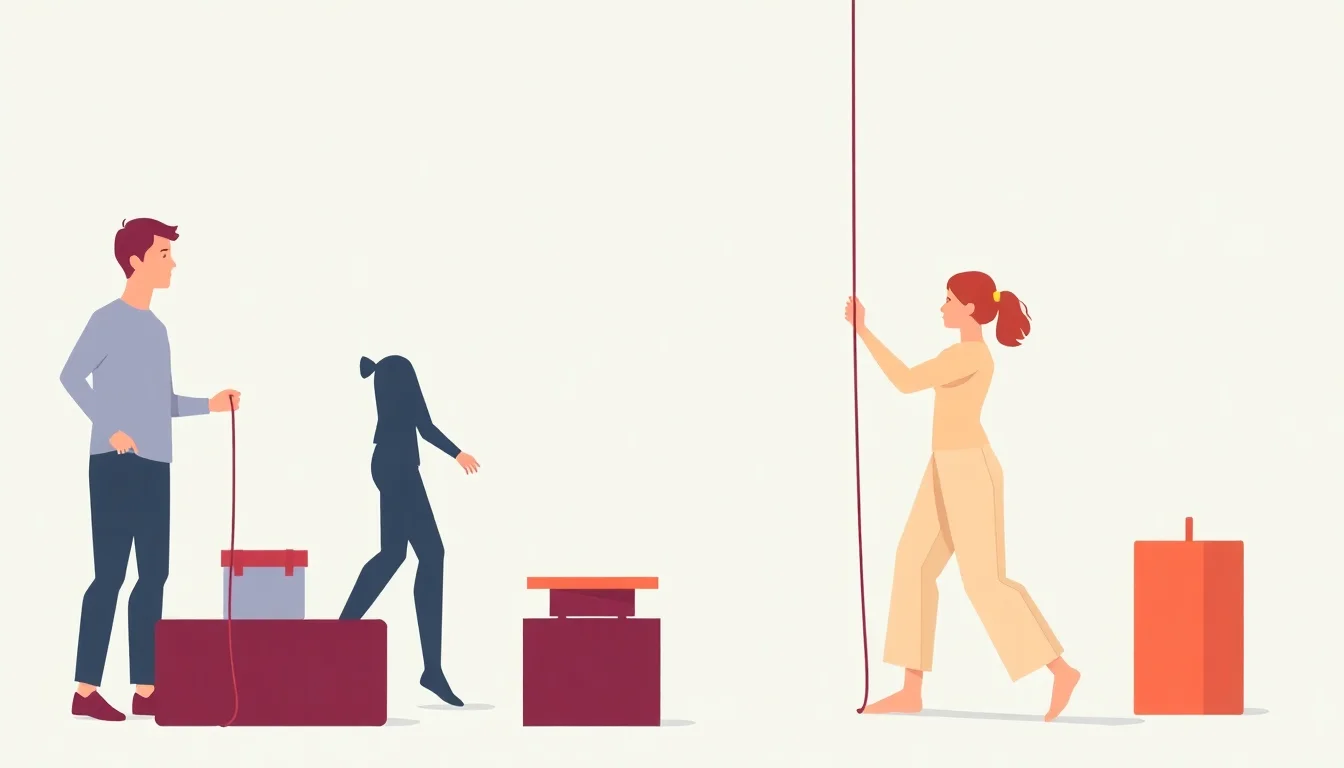
Physical demands refer to the objective, measurable requirements of a job or activity that involve the body's physical capabilities. This encompasses…
Contents
- 💪 What Are Physical Demands?
- 👷 Who Needs to Know About Physical Demands?
- 📊 Key Components of Physical Demands
- ⚖️ Legal & Regulatory Frameworks
- 📈 Assessing Physical Demands: Methods & Tools
- ⚠️ Risks of Ignoring Physical Demands
- ✅ Mitigating Physical Demands: Strategies
- 🚀 The Future of Physical Demands Assessment
- Frequently Asked Questions
- Related Topics
Overview
Physical demands refer to the actual physical activities and stresses an individual performs as part of their job. This encompasses everything from lifting heavy objects and prolonged standing to repetitive motions and exposure to extreme temperatures. Understanding these demands is crucial for ensuring worker safety, preventing injuries, and optimizing job performance. For instance, a construction worker's physical demands will starkly contrast with those of a data entry clerk, highlighting the diverse nature of work-related physical exertion. These assessments form the bedrock of occupational health and safety protocols.
👷 Who Needs to Know About Physical Demands?
Virtually any occupation involves some level of physical demand, but the intensity and type vary dramatically. High-risk sectors include manufacturing, healthcare (nursing, patient handling), emergency services (firefighting, policing), and transportation (truck driving, warehousing). Employers are legally obligated to understand and manage these demands to protect their workforce. Employees, in turn, benefit from this understanding by being better prepared for their roles and advocating for necessary accommodations or safety measures. Even seemingly sedentary jobs can have surprising physical components, like the fine motor skills required for surgical technicians.
📊 Key Components of Physical Demands
Key components of physical demands include strength (lifting, pushing, pulling), endurance (sustained activity), dexterity (fine motor skills), mobility (range of motion, agility), and sensory capabilities (vision, hearing). Static postures, dynamic movements, and exposure to environmental factors like heat or vibration are also critical considerations. For example, a professional athlete's demands are geared towards peak performance, while a warehouse worker's focus is on sustained, safe material handling. Each element contributes to the overall physical workload experienced by an individual.
⚖️ Legal & Regulatory Frameworks
In many jurisdictions, understanding and managing physical demands is a legal requirement. Regulations like the Americans with Disabilities Act (ADA) in the US mandate that employers provide reasonable accommodations for individuals with disabilities, which often involves analyzing job physical demands. Similarly, Occupational Safety and Health Administration (OSHA) standards require employers to provide a safe working environment, directly linking to the management of physical hazards. Failure to comply can result in significant fines and legal repercussions, underscoring the importance of adherence to workplace safety laws.
📈 Assessing Physical Demands: Methods & Tools
Assessing physical demands can be achieved through various methods. Job analysis is a systematic process that breaks down a job into its constituent tasks and the physical requirements for each. This can involve direct observation, employee interviews, and reviewing task descriptions. Tools like the Physical Demands Analysis (PDA) or Occupational Analysis provide structured frameworks. For roles involving significant physical exertion, ergonomic assessments are often employed to identify and quantify risks, ensuring that the demands placed on workers are within safe limits. These assessments are vital for preventive medicine in the workplace.
⚠️ Risks of Ignoring Physical Demands
Ignoring or underestimating physical demands can lead to a cascade of negative consequences. The most immediate is an increased risk of musculoskeletal disorders (MSDs), such as back injuries, carpal tunnel syndrome, and tendonitis. Beyond direct injuries, chronic physical strain can lead to fatigue, reduced productivity, and lower job satisfaction. In the long term, this can result in higher employee turnover, increased healthcare costs for employers, and potential workers' compensation claims. The cumulative effect on an employee's long-term health can be substantial.
✅ Mitigating Physical Demands: Strategies
Mitigating excessive physical demands involves a multi-pronged approach. Ergonomic interventions are paramount, redesigning workstations or tools to reduce strain. Job rotation can spread demanding tasks across more employees, limiting individual exposure. Implementing safe lifting techniques and providing appropriate personal protective equipment (PPE) are also fundamental. For roles requiring specific physical capabilities, pre-employment physical ability testing can help ensure candidates are suited for the job's demands, while also informing return-to-work programs for injured employees. Workplace wellness initiatives can also build resilience.
🚀 The Future of Physical Demands Assessment
The future of physical demands assessment is increasingly leaning towards technological integration and predictive analytics. Wearable sensors are emerging as a powerful tool, providing real-time data on worker exertion, posture, and fatigue, moving beyond static job analyses. Artificial intelligence (AI) is being explored to analyze vast datasets, predict injury risks, and even suggest optimal task sequencing or staffing. This shift promises more dynamic, personalized, and proactive approaches to managing physical demands, potentially transforming occupational health and safety from a reactive discipline to a predictive science. The goal is to create work environments that are not only safe but also promote sustained employee well-being and peak performance.
Key Facts
- Year
- 1950s (formalization of study)
- Origin
- Industrial Engineering & Occupational Medicine
- Category
- Occupational Health & Safety
- Type
- Concept
Frequently Asked Questions
What is the difference between physical demands and physical requirements?
Physical demands are the actual physical activities and stresses inherent in a job. Physical requirements, often referred to as essential job functions, are the minimum physical capabilities an individual must possess to perform those demands. For example, a physical demand might be lifting 50 lbs, while the physical requirement is the ability to lift 50 lbs. Understanding both is critical for disability inclusion and workplace accommodation.
How often should physical demands be reassessed?
Physical demands should be reassessed whenever there are significant changes to a job's tasks, equipment, or work environment. This includes introducing new technology, altering workflows, or responding to a rise in workplace injuries. Regular reviews, perhaps annually or biennially, are also good practice to ensure assessments remain current and effective for risk management.
Can physical demands be modified for employees with disabilities?
Yes, employers are often required to provide reasonable accommodations for employees with disabilities, which may involve modifying physical demands. This could include reallocating marginal job functions, altering how tasks are performed, or providing assistive devices. The goal is to enable the employee to perform the essential functions of the job without undue hardship to the employer, adhering to anti-discrimination laws.
What is the role of a physical therapist in assessing physical demands?
Physical therapists are highly skilled in evaluating physical capabilities and limitations. They can conduct functional capacity evaluations (FCEs) to objectively measure an individual's ability to perform specific work-related tasks. Their expertise is invaluable in determining if an individual can meet job demands, in developing rehabilitation programs, and in advising on ergonomic solutions for injury prevention.
How do physical demands impact employee morale and retention?
Jobs with excessive or unmanaged physical demands can lead to burnout, chronic pain, and dissatisfaction, significantly impacting employee morale and increasing employee turnover. Conversely, workplaces that proactively manage physical demands, ensure safety, and provide supportive environments tend to have higher morale and better retention rates. This demonstrates a commitment to employee well-being.
Are there specific certifications for professionals assessing physical demands?
While there isn't one single overarching certification, professionals in occupational therapy, physical therapy, ergonomics, and industrial hygiene often possess specialized training and certifications relevant to assessing physical demands. Certifications like Certified Ergonomist (CPE) or Certified Industrial Hygienist (CIH) are highly regarded and indicate expertise in evaluating workplace hazards, including physical ones.