Renewable Energy | Vibepedia
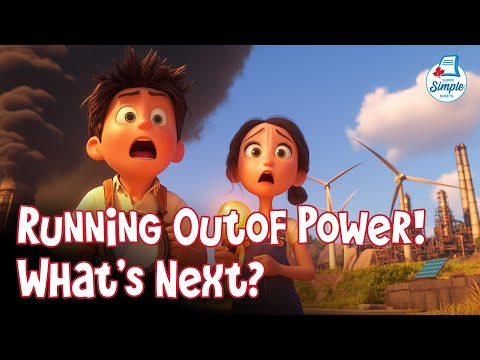
Renewable energy is usable energy generated from naturally occurring processes that replenish faster than consumption, including solar, wind, hydropower…
Contents
Overview
Renewable energy is energy derived from natural resources that are replenished at a faster rate than they are consumed, distinguishing it fundamentally from finite fossil fuels like coal, oil, and natural gas. The International Energy Agency formally defines it as 'energy derived from natural processes that are replenished at a faster rate than they are consumed.' Renewable energy sources are natural and self-replenishing, typically featuring a low- or zero-carbon footprint, making them critical to addressing climate change and global warming. Unlike fossil fuels, which release harmful greenhouse gases including carbon dioxide and methane when burned, most renewable energy sources produce zero carbon emissions and minimal air pollutants. Renewable energy installations can range from small residential systems to massive utility-scale facilities and are suited for both urban and rural areas, enabling greater energy independence for communities and nations.
⚡ Main Types of Renewable Energy
The six main types of renewable energy are solar, wind, geothermal, hydropower, biomass, and tidal energy. Solar energy is one of the most versatile and fastest-growing renewable sources, harnessed through photovoltaic cells that convert sunlight directly into electricity via rooftop panels or large solar farms, or through solar thermal systems that heat water and air for space heating. Wind power is considered the best renewable energy source, falling into green, clean, and renewable categories simultaneously, and can be used for electricity generation, grain milling, water pumping, and electric vehicle charging. Hydropower is the largest source of renewable energy globally and one of the oldest, accounting for 28.7% of total U.S. renewable electricity generation, utilizing flowing water in dams, rivers, and streams to spin turbines, with both conventional hydropower and pumped-storage systems available. Geothermal energy harnesses heat from the earth's hot interior or near-surface, used for electricity generation in deep underground applications and for heating and cooling buildings through geothermal heat pumps. Biomass energy is produced from nonfossilized plant materials, timber, food waste, and organic matter burned as fuel, with variants including municipal solid waste and biogas from landfills, though it generates low-level greenhouse gases. Tidal and ocean energy leverage marine movements and water flow to generate electricity, representing an emerging frontier in renewable energy development.
🌍 Global Impact & Advantages
Renewable energy is fundamentally reshaping the global energy landscape, with renewables increasingly ousting fossil fuels particularly in the power sector. Solar energy jobs alone reached nearly 4.9 million in 2022, accounting for more than one-third of all renewable energy jobs worldwide and representing the fastest-growing sector of renewable employment. Water-based renewable energy is the largest contributor of renewable electricity across the globe, while solar energy is one of the most widely accessible renewable resources since most of Earth's population has access to sunlight. The advantages of renewable energy are substantial: solar systems create far fewer greenhouse gases than traditional fossil fuels, allow countries and communities to become energy independent rather than relying on imported fossil fuels, and produce minimal environmental impact during operation. Renewable energy often displaces conventional fuels in four critical areas: electricity generation, hot water and space heating, transportation, and rural off-grid energy services. The International Energy Agency projects that with sufficient governmental commitment, solar energy technologies could constitute up to one-third of global energy sources by 2060, underscoring the transformative potential of renewables.
🔮 Future Trajectory & Challenges
The renewable energy transition represents an overdue but accelerating energy revolution with significant implications for climate mitigation and energy security. While renewable sources like solar and wind offer tremendous potential, challenges remain: solar and wind energy generation can be inconsistent due to weather and time-of-day variations, and biomass energy raises sustainability questions despite its renewable classification. Hydropower remains the most reliable large-scale renewable source, while emerging technologies like advanced small modular reactors (SMRs) and next-generation nuclear power plants are being developed as complementary low-carbon solutions, though nuclear relies on non-renewable uranium. The future of renewable energy depends on continued technological innovation, grid modernization to handle variable renewable sources, and sustained policy support to accelerate the displacement of fossil fuels. As renewable energy installations become increasingly cost-competitive and efficient, their role in global energy systems is expected to expand dramatically, fundamentally reshaping how humanity generates and consumes energy while addressing the existential challenge of climate change.
Key Facts
- Year
- 2026
- Origin
- Global energy systems; accelerating since early 2000s
- Category
- science
- Type
- concept
Frequently Asked Questions
What exactly is renewable energy?
Renewable energy is usable energy generated from naturally occurring processes that replenish faster than they are consumed. Unlike fossil fuels formed over millions of years, renewable sources like sunlight, wind, and flowing water are continuously available and self-replenishing, typically producing zero or minimal carbon emissions.
What are the main types of renewable energy?
The six main types are: (1) Solar energy—captured through photovoltaic cells or thermal systems; (2) Wind power—generated from wind turbines; (3) Hydropower—from flowing water and dams; (4) Geothermal energy—from earth's internal heat; (5) Biomass—from organic matter and waste; and (6) Tidal/ocean energy—from marine movements.
How does renewable energy differ from fossil fuels?
Fossil fuels are finite resources formed over millions of years that release harmful greenhouse gases when burned, contributing to climate change. Renewable energy sources are naturally replenished, produce zero or minimal emissions, and are increasingly cost-competitive. Renewables also enable greater energy independence rather than reliance on imported fuels.
Which renewable energy source is growing fastest?
Solar energy is the fastest-growing renewable sector. In 2022, solar energy jobs reached nearly 4.9 million globally, accounting for more than one-third of all renewable energy jobs worldwide. The International Energy Agency projects solar could constitute up to one-third of global energy sources by 2060.
What are the main challenges with renewable energy?
Key challenges include: variable generation from solar and wind depending on weather and time of day, requiring grid modernization and energy storage solutions; sustainability questions around biomass energy despite its renewable classification; and the need for continued technological innovation and policy support to accelerate fossil fuel displacement.
References
- eia.gov — /energyexplained/renewable-sources/types-and-usage.php
- prysmian.com — /en/insight/sustainability/renewable-energy-definition-and-types-of-clean-energy
- nationalgrid.com — /stories/energy-explained/what-are-different-types-renewable-energy
- en.wikipedia.org — /wiki/Renewable_energy
- igs.com — /energy-resource-center/energy-101/types-of-renewable-energy
- ibm.com — /think/topics/renewable-energy-types
- snhu.edu — /about-us/newsroom/stem/types-of-renewable-energy
- un.org — /en/climatechange/what-is-renewable-energy