Southside | Vibepedia
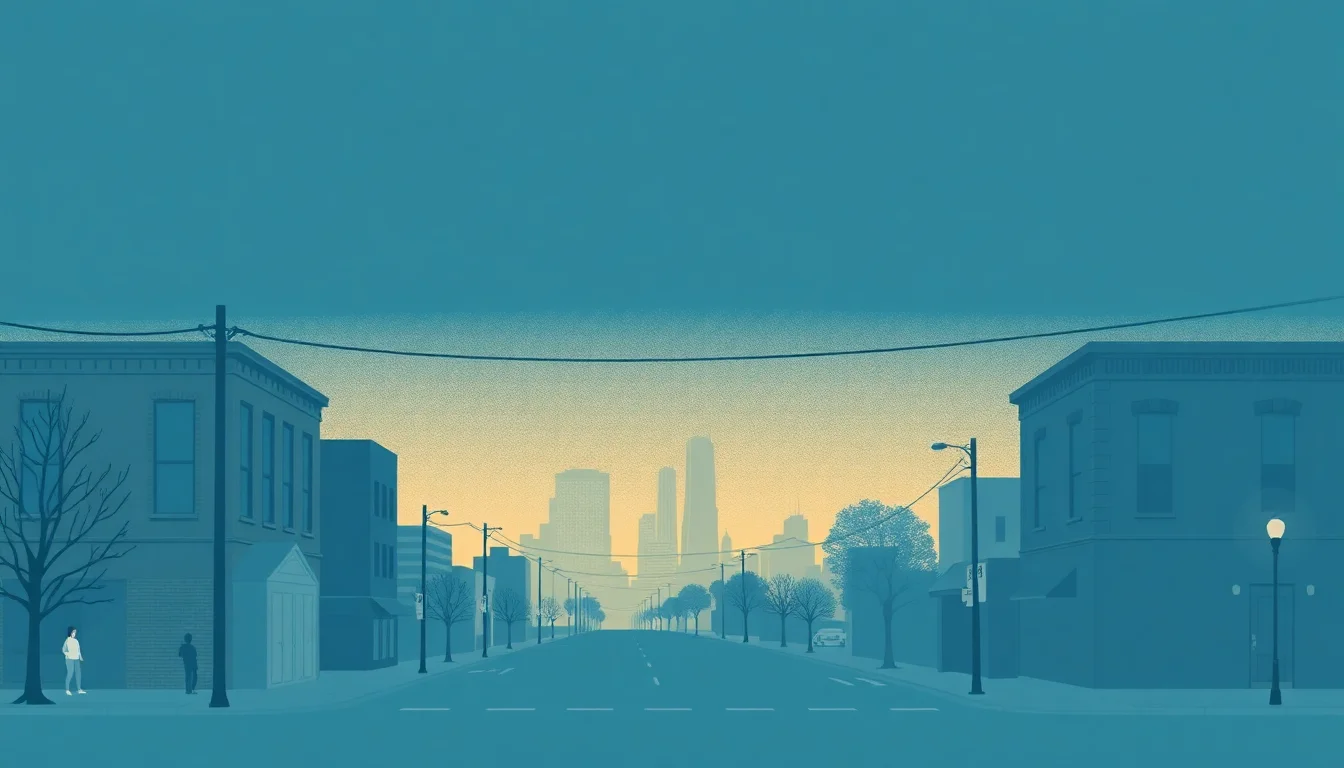
The 'South Side' of Chicago isn't a monolith; it's a sprawling, diverse expanse of neighborhoods, each with its own distinct history, culture, and challenges…
Contents
Overview
Southside, a term broadly applied to the southern sectors of major metropolises, isn't a monolithic entity but a dynamic collection of neighborhoods, each with its own distinct character and history. For the uninitiated, it's often shorthand for areas that have historically faced economic disinvestment and social challenges, yet it's also a crucible of vibrant Chicago's artistic expression, culinary innovation, and resilient community spirit. Understanding 'Southside' requires looking beyond simplistic labels and appreciating the intricate mosaic of its constituent parts, from the prestigious academic institutions to the groundbreaking cultural institutions.
🗺️ Geographic Scope & Boundaries
The precise boundaries of 'Southside' are fluid and often contested, depending heavily on the specific city in question. In Chicago, it generally refers to the 77 community areas south of the Chicago Loop, encompassing diverse locales like Bronzeville, Hyde Park, and Pilsen. In other cities, the definition shifts; 'Southside' in Pittsburgh might refer to a cluster of neighborhoods like South Side Flats and South Side Slopes, each with unique urban planning histories and demographic shifts. The common thread is a geographical orientation relative to a city's core, often marked by historical development patterns and infrastructure.
🎭 Cultural Vibe & Identity
The cultural vibe of Southside is a complex interplay of heritage, struggle, and innovation. Historically, many Southside neighborhoods were destinations for African American migrants seeking opportunity, shaping a rich legacy of blues music, Black arts, and African American history. Today, this legacy coexists with evolving demographics, new waves of immigration, and a burgeoning street art scene. The identity is often forged in community resilience, a fierce pride in local heritage, and a constant negotiation with external perceptions, making it a fertile ground for cultural production.
📈 Economic Landscape & Development
Economically, Southside presents a stark contrast of opportunities and challenges. While some areas, particularly those near major universities or undergoing gentrification, show signs of economic revitalization and rising property values, many others grapple with persistent poverty, unemployment, and the lingering effects of deindustrialization. The South Side Economic Partnership and similar initiatives aim to foster local entrepreneurship and attract investment, but the path to equitable economic development remains a significant hurdle. Understanding this economic duality is crucial to grasping the lived realities of Southside residents.
⚖️ Debates & Controversies
The term 'Southside' itself is a site of considerable debate. Critics argue it's an oversimplification that erases the distinct identities of individual neighborhoods and perpetuates negative stereotypes, often linked to crime statistics and urban decay. Conversely, proponents see it as a unifying banner for communities that have historically been marginalized, a symbol of shared experience and collective identity. The ongoing discussion revolves around how to acknowledge the challenges without essentializing them, and how to celebrate the strengths and cultural richness that define these areas, especially in the context of gentrification debates.
🌟 Notable Southside Locations
Key Southside landmarks offer a glimpse into its multifaceted identity. In Chicago, Wrigley Field (though technically Northside, its cultural impact is felt) is a stark contrast to the DuSable Museum in Bronzeville, a vital repository of Black history. Guadalupe Reyes in Pilsen showcases the vibrant Mexican-American heritage, while the Museum of Science and Industry in Hyde Park represents a different facet of the area's institutional presence. Each location tells a part of the Southside story, from community hubs to cultural institutions.
🤝 Getting Involved & Community Resources
For those looking to connect with or contribute to Southside communities, numerous avenues exist. Engaging with local non-profits focused on education, housing, or economic development is a direct way to make an impact. Supporting South Side businesses through patronage is crucial for economic sustainability. Attending community meetings or cultural festivals offers a chance to understand local priorities and build relationships. Many organizations welcome volunteers and donations, providing tangible ways to support the ongoing vitality of these neighborhoods.
Key Facts
- Year
- 1830s (early development)
- Origin
- Chicago, Illinois, USA
- Category
- Geography/Culture
- Type
- Geographic Region/Cultural Identity
Frequently Asked Questions
Is 'Southside' a dangerous place?
The perception of danger on 'Southside' is complex and often oversimplified. Like any large urban area, crime rates vary significantly by neighborhood and even block by block. While some Southside areas have historically struggled with higher crime rates, many others are safe and vibrant communities. It's crucial to research specific neighborhoods and rely on current local information rather than broad generalizations. Engaging with local community resources can provide a more nuanced understanding of safety in different areas.
What is the best way to experience Southside culture?
Experiencing Southside culture involves immersing yourself in its rich history and contemporary expressions. Visit museums like the DuSable Museum in Chicago or explore the street art in neighborhoods like Pilsen. Attend live music venues showcasing blues or jazz, and patronize local restaurants that offer authentic ethnic cuisine. Engaging with community events and festivals is also a fantastic way to connect with residents and experience the local vibe firsthand.
How is Southside different from other parts of the city?
Southside areas often differ from other parts of a city due to their unique historical development, demographic makeup, and economic trajectory. Many Southside neighborhoods, particularly in Chicago, were shaped by the Great Migration and subsequent waves of immigration, fostering distinct cultural traditions and community institutions. Economically, they may face different challenges and opportunities compared to more affluent or historically favored areas. This distinct history and evolving identity contribute to a unique 'vibe' that sets Southside apart.
Are there specific Southside neighborhoods I should visit?
Absolutely. In Chicago, Bronzeville is essential for its African American history and cultural landmarks. Hyde Park offers a more academic and leafy atmosphere, home to the University of Chicago. Pilsen is renowned for its vibrant Mexican-American culture and street art. Each neighborhood offers a distinct experience, so planning based on your interests is key.
What are the main economic challenges facing Southside?
Southside communities often face challenges stemming from historical disinvestment, deindustrialization, and systemic inequalities. These can manifest as higher unemployment rates, limited access to capital for local businesses, and housing affordability issues. While there are ongoing efforts towards revitalization and economic development, bridging the economic gap and ensuring equitable growth remains a significant, ongoing challenge for many Southside areas.