Traditional Dance | Vibepedia
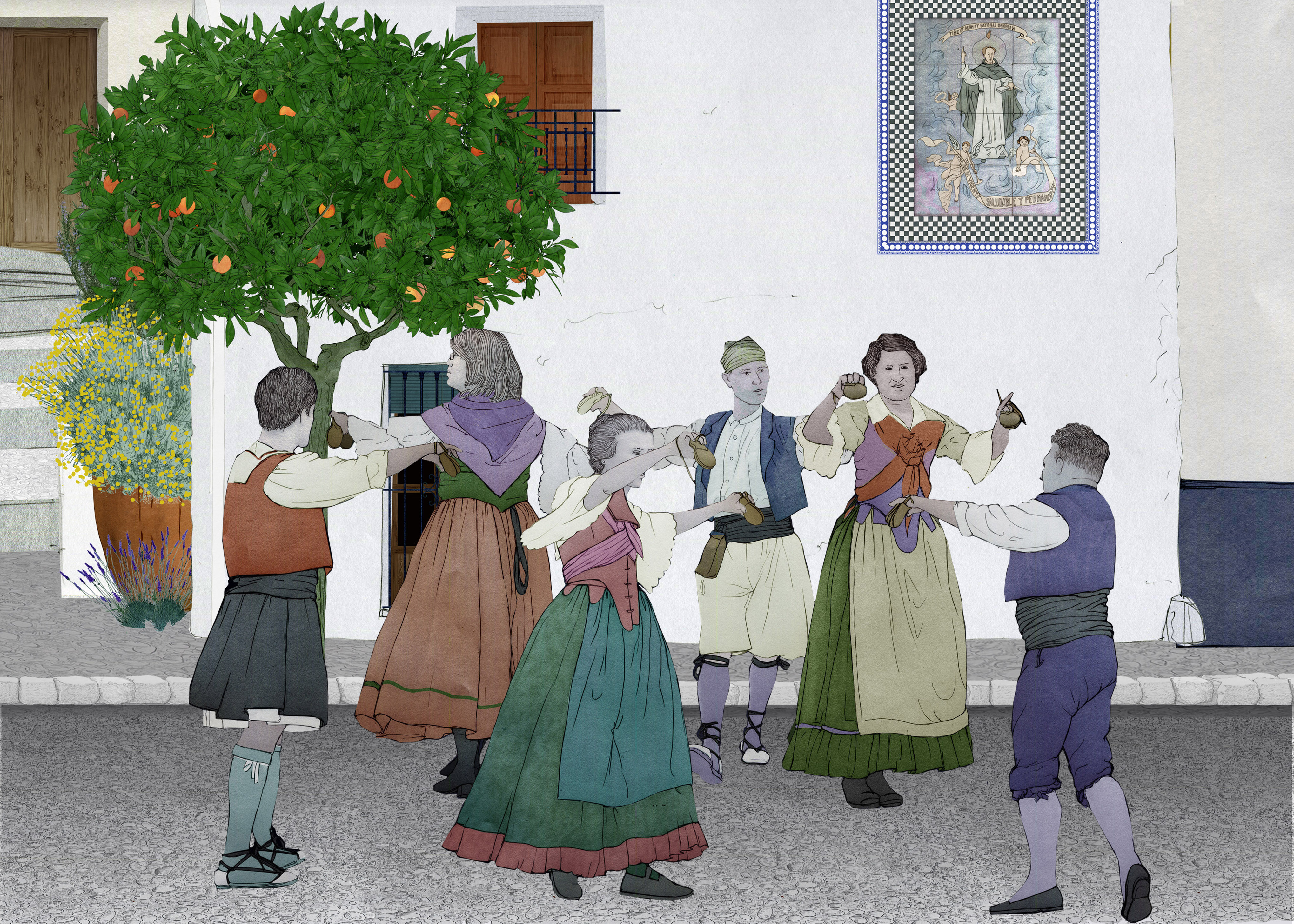
Traditional dance encompasses a vast spectrum of movement forms that have been passed down through generations within specific communities, cultures, or…
Contents
Overview
Traditional dance, often conflated with 'folk dance,' is fundamentally defined by its lineage and communal transmission, rather than a specific aesthetic or technical standard. Its origins are as old as human society itself, emerging from early rituals, work movements, and social interactions. Cave paintings found in Bhimbetka Rock Shelters in India depict figures in dynamic poses suggestive of dance, hinting at its ancient role in spiritual practices and community bonding. As societies developed, these movements became codified within specific cultural contexts, tied to agricultural cycles, religious festivals, rites of passage, and historical narratives. For instance, the ancient Greek Dionysian rituals, involving ecstatic movement, can be seen as precursors to many European folk traditions. The concept of 'traditional' emphasizes the unbroken chain of learning and practice within a community, distinguishing it from choreographed or theatrical dances that might draw inspiration but lack this direct, intergenerational connection. This deep historical grounding means that many traditional dances are not static relics but have evolved organically, absorbing influences while retaining core elements that define their cultural identity.
⚙️ How It Works
The 'how' of traditional dance is less about codified steps and more about embodied knowledge and communal participation. It is typically learned through observation, imitation, and direct instruction within the family or community, often from a young age. The movements themselves are intrinsically linked to the music, rhythm, and often the specific instruments of a culture, such as the intricate footwork accompanying tabla drumming in Indian classical dance or the coordinated group formations in Irish step dancing. The purpose can vary wildly: from the spiritual trance-inducing movements in some shamanistic practices to the celebratory exuberance of a Salsa dance at a Caribbean festival, or the storytelling conveyed through the hand gestures in Balinese dance. Unlike Western classical ballet, which emphasizes individual virtuosity and a standardized technique, many traditional dances prioritize group cohesion, shared experience, and the accurate transmission of cultural narratives and values. The 'vibe' of a traditional dance is often communal, participatory, and deeply connected to its specific social or ritualistic function.
📊 Key Facts & Numbers
UNESCO recognizes numerous intangible cultural heritages that include traditional dance forms. The preservation of these dances is a critical aspect of cultural heritage.
👥 Key People & Organizations
While specific choreographers are often unknown or irrelevant in the context of traditional dance, certain figures and organizations have been instrumental in its study, preservation, and dissemination. Anthropologists like Franz Boas documented indigenous dances in the early 20th century, providing invaluable historical records. Organizations such as UNESCO play a crucial role in recognizing and protecting intangible cultural heritage, including traditional dance forms, through initiatives like the Convention for the Safeguarding of the Intangible Cultural Heritage (2003). National dance companies, like the Indian Classical Dance troupes or the Russian Ballet (though more theatrical, it draws heavily on folk roots), often serve as custodians and performers of highly refined traditional styles. Local community elders, master practitioners, and cultural associations are the true keepers of these traditions, passing down knowledge through generations. The John F. Kennedy Center for the Performing Arts in Washington D.C. frequently hosts international folk dance festivals, bringing diverse traditions to wider audiences.
🌍 Cultural Impact & Influence
Traditional dance is a powerful engine of cultural identity, acting as a visible and visceral manifestation of a community's heritage. It reinforces social bonds, transmits moral values, and provides a sense of belonging, particularly in diaspora communities seeking to maintain connections to their homeland. For example, the Haka of the Māori people of New Zealand is not just a dance but a powerful expression of identity, pride, and defiance. In the realm of performing arts, traditional dance has profoundly influenced modern genres; Ballet Russes famously incorporated folk elements, and choreographers like Martha Graham drew inspiration from ancient rituals. Furthermore, traditional dance often plays a critical role in tourism, with many regions promoting their unique dance forms as cultural attractions, contributing significantly to local economies. The global reach of styles like Bollywood dance demonstrates how traditional and popular forms can fuse and achieve international recognition, influencing fashion, music, and popular culture worldwide.
⚡ Current State & Latest Developments
In the 21st century, traditional dance exists in a dynamic tension between preservation and adaptation. While many communities strive to maintain the authenticity of their ancestral dances, there's also a growing trend of innovation. Choreographers and dancers are increasingly blending traditional movements with contemporary styles, creating hybrid forms that appeal to new audiences and reflect modern sensibilities. Digital platforms, such as YouTube and TikTok, have become crucial for both learning and sharing traditional dances globally, democratizing access but also raising questions about cultural appropriation and commodification. Festivals dedicated to traditional dance, like the Edinburgh Festival Fringe, continue to thrive, showcasing a vast array of global traditions. However, many traditional dance forms face challenges from globalization, urbanization, and the decline of rural communities, leading to a Vibe Score fluctuation as some traditions struggle for relevance while others experience a resurgence.
🤔 Controversies & Debates
The very definition and practice of traditional dance are subjects of ongoing debate. A key controversy lies in the distinction between 'folk' and 'traditional' dance, and whether the term 'folk' implies a rural, peasant origin that may not accurately reflect all traditional forms. Some argue that the commercialization and performance of traditional dances in theatrical settings strip them of their original ritualistic or social context, turning them into mere spectacles. The issue of cultural appropriation is also paramount: when elements of traditional dances are adopted by outsiders without understanding or respect for their original meaning, it can be deeply offensive. Furthermore, the pressure to 'modernize' or 'simplify' dances for wider appeal can lead to a dilution of their cultural integrity. The debate over authenticity versus adaptation is constant, with some advocating for strict adherence to historical forms and others embracing evolution as a sign of a living tradition.
🔮 Future Outlook & Predictions
The future of traditi
Key Facts
- Category
- culture
- Type
- topic