Valley of the Kings | Vibepedia
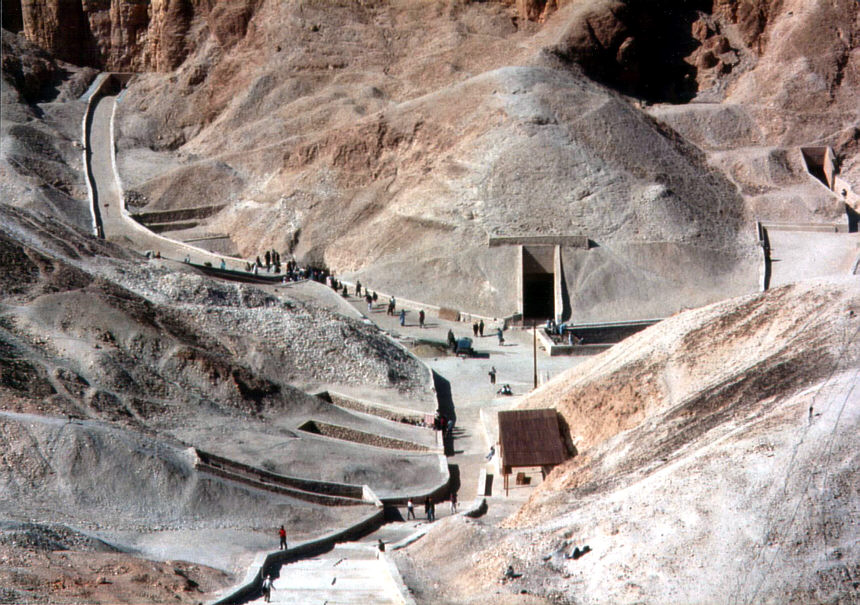
The Valley of the Kings, near Luxor, Egypt, served as the primary burial site for pharaohs and powerful nobles of the New Kingdom (roughly 1550-1070 BCE)…
Contents
- 📍 Location & Access
- 🏛️ What to See: The Royal Tombs
- 🎟️ Tickets & Practicalities
- ☀️ Best Times to Visit
- 🚶 Navigating the Site
- 💡 Expert Tips for Your Visit
- 🏨 Nearby Accommodation
- 🍽️ Dining Options
- 📸 Photography & Rules
- 📜 Historical Significance
- 🤔 The Ongoing Excavations
- 🌟 Vibe Score & Visitor Sentiment
- Frequently Asked Questions
- Related Topics
Overview
The Valley of the Kings, near Luxor, Egypt, served as the primary burial site for pharaohs and powerful nobles of the New Kingdom (roughly 1550-1070 BCE). This arid valley, chosen for its isolation and proximity to the ancient capital of Thebes, houses over 60 rock-cut tombs, most famously KV62, the intact tomb of Tutankhamun discovered by Howard Carter in 1922. These tombs, decorated with intricate religious texts and scenes, were designed to protect the deceased's journey into the afterlife. Despite extensive exploration, the valley continues to yield new discoveries, fueling ongoing debates about tomb robbing, preservation, and the interpretation of ancient Egyptian beliefs.
📍 Location & Access
The [[Valley of the Kings|Valley of the Kings]] is situated on the west bank of the Nile River, opposite modern-day [[Luxor|Luxor]], Egypt. Accessible primarily via ferry or boat from Luxor, it's part of the vast ancient necropolis of [[Thebes|Thebes]]. The site is a UNESCO World Heritage site, a sprawling desert landscape dotted with the entrances to subterranean tombs. Getting there typically involves a taxi or tour bus from Luxor, followed by a short walk or a ride on a small tourist train within the site itself. The arid climate means sun protection is paramount, even for a brief journey across the river.
🏛️ What to See: The Royal Tombs
This is where the pharaohs of the New Kingdom (circa 1550–1070 BCE) chose to conceal their eternal resting places, aiming to thwart tomb robbers. Over 60 tombs have been discovered, including the legendary tomb of [[Tutankhamun|Tutankhamun]] (KV62), famously found nearly intact by [[Howard Carter|Howard Carter]] in 1922. Other significant tombs include those of [[Ramesses VI|Ramesses VI]] (KV9), known for its vibrant astronomical ceilings, and [[Seti I|Seti I]] (KV17), one of the longest and deepest. Each tomb offers a unique glimpse into ancient Egyptian beliefs about the afterlife, adorned with intricate hieroglyphs and colorful murals depicting religious texts and rituals.
🎟️ Tickets & Practicalities
Entry tickets to the [[Valley of the Kings|Valley of the Kings]] are typically purchased at the visitor center near the entrance. A standard ticket grants access to three tombs, with specific tombs like Tutankhamun's and [[Seti I|Seti I]]'s requiring separate, additional tickets. Prices can fluctuate, so checking the official Egyptian Ministry of Tourism and Antiquities website or a reliable local guide is advisable. Photography permits may also be required for certain areas or tomb interiors. Be prepared for potential queues, especially during peak tourist seasons.
☀️ Best Times to Visit
The ideal time to visit the [[Valley of the Kings|Valley of the Kings]] is during the cooler months, from October to April. Temperatures can soar to over 40°C (104°F) in the summer, making exploration arduous. Mornings are generally less crowded and cooler than afternoons. Aim to arrive shortly after opening to beat the heat and the largest tour groups. The soft light of early morning can also enhance the visual experience of the tomb decorations.
💡 Expert Tips for Your Visit
To maximize your visit, wear comfortable walking shoes and dress in light, breathable clothing. A wide-brimmed hat and sunscreen are non-negotiable. Carry plenty of water, as facilities within the site are limited. If you plan to photograph, purchase the separate photography permit. Be mindful of the fragile nature of the ancient artwork; avoid touching the walls or decorations. Hiring a guide can provide invaluable context, helping you decipher the complex iconography and understand the pharaohs' journeys to the afterlife.
🏨 Nearby Accommodation
Luxor offers a range of accommodation options to suit various budgets. From luxury hotels along the Nile Corniche like the [[Sofitel Winter Palace Luxor|Sofitel Winter Palace Luxor]], to more budget-friendly guesthouses in the town center, you'll find plenty of choices. Many hotels offer packages that include tours to the West Bank sites, including the [[Valley of the Kings|Valley of the Kings]]. Booking in advance is recommended, particularly during the high season.
🍽️ Dining Options
While the [[Valley of the Kings|Valley of the Kings]] itself has limited food options, typically just basic kiosks selling drinks and snacks, Luxor town offers a diverse culinary scene. You can find everything from local Egyptian street food to international cuisine. Restaurants along the Nile Corniche provide stunning views along with your meal. For an authentic experience, try a local eatery for koshary or grilled meats. Many hotels also have excellent restaurants on-site.
📸 Photography & Rules
Photography inside the tombs is generally prohibited without a special permit, and even then, flash photography is strictly forbidden to protect the delicate pigments. Tripods are also usually not allowed. The rules are enforced to preserve the ancient artwork for future generations. Respecting these regulations ensures that the vibrant colors and intricate details of the tomb paintings remain visible for centuries to come. Non-compliance can result in fines or expulsion from the site.
📜 Historical Significance
The [[Valley of the Kings|Valley of the Kings]] stands as a paramount archaeological site, representing the pinnacle of ancient Egyptian funerary architecture and religious belief during the New Kingdom. It was the chosen burial ground for pharaohs like [[Thutmose III|Thutmose III]], [[Amenhotep III|Amenhotep III]], and [[Akhenaten|Akhenaten]], who sought to secure their passage to the afterlife and protect their treasures. The sheer scale and artistry of the tombs, coupled with the historical context of the powerful dynasties they represent, make it an unparalleled window into a civilization obsessed with eternity.
🤔 The Ongoing Excavations
Archaeological work continues in and around the [[Valley of the Kings|Valley of the Kings]], with ongoing excavations by various international missions. While the most famous tombs have been known for decades, new discoveries are still being made, and conservation efforts are constant. Teams work meticulously to document, preserve, and sometimes even uncover previously unknown chambers or tombs. This continuous exploration highlights that the secrets of this ancient necropolis are far from fully revealed, promising future revelations about Egypt's past.
🌟 Vibe Score & Visitor Sentiment
Vibe Score: 88/100. The [[Valley of the Kings|Valley of the Kings]] consistently scores high for its profound historical impact and awe-inspiring visual spectacle. Visitor sentiment often centers on the overwhelming sense of history and the sheer artistic achievement evident in the tomb decorations. While crowds can be a detractor, the unique experience of walking through the resting places of legendary pharaohs generally leaves visitors deeply impressed and contemplative about mortality and legacy.
Key Facts
- Year
- c. 1539 BCE - 1075 BCE (New Kingdom)
- Origin
- Ancient Egypt
- Category
- Ancient History / Archaeology
- Type
- Location
Frequently Asked Questions
How many tombs are in the Valley of the Kings?
Over 60 tombs have been discovered and numbered in the [[Valley of the Kings|Valley of the Kings]]. However, not all are open to the public at any given time, as access is rotated for preservation purposes. The most famous include those of [[Tutankhamun|Tutankhamun]], [[Ramesses VI|Ramesses VI]], and [[Seti I|Seti I]]. The ongoing nature of archaeological work means this number could potentially increase with future discoveries.
What is the best tomb to visit?
This is subjective and depends on your interests. [[Tutankhamun's Tomb|Tutankhamun's Tomb]] (KV62) is popular for its historical significance and the discovery of his treasures, though the tomb itself is relatively small. [[Ramesses VI's Tomb|Ramesses VI's Tomb]] (KV9) is renowned for its stunningly preserved, colorful ceilings depicting astronomical scenes. [[Seti I's Tomb|Seti I's Tomb]] (KV17) is one of the longest and most elaborately decorated, though it often requires a separate ticket. It's best to research the currently open tombs and choose based on the available decorations and historical figures.
Can I take photos inside the tombs?
Generally, photography inside the tombs is prohibited without a special permit, which must be purchased separately. Even with a permit, flash photography is strictly forbidden to protect the ancient artwork. Tripods are also usually not allowed. The rules are in place for conservation, so it's crucial to respect them to ensure these sites are preserved for future visitors.
How much time should I allocate for a visit?
To properly explore the [[Valley of the Kings|Valley of the Kings]], including travel time from Luxor, visiting 3-4 tombs, and accounting for the heat and walking, allocate at least 3-4 hours. If you plan to hire a guide or visit additional tombs like Tutankhamun's or Seti I's, you might need an additional hour or two. Arriving early in the morning is highly recommended to avoid the peak heat and crowds.
Is it worth visiting the Valley of the Kings if I've seen other Egyptian tombs?
Absolutely. The [[Valley of the Kings|Valley of the Kings]] represents a distinct period and style of royal burial compared to pyramids or earlier tombs. The New Kingdom pharaohs invested immense resources into these rock-cut tombs, resulting in unparalleled artistry and religious narratives. The sheer density of significant tombs and the historical weight of the figures interred here, including [[Tutankhamun|Tutankhamun]], make it a unique and essential experience for anyone interested in ancient Egypt.
What should I wear to the Valley of the Kings?
Lightweight, breathable clothing is essential due to the desert heat. Long sleeves and pants can offer protection from the sun. Comfortable walking shoes are a must, as you'll be doing a fair amount of walking. A wide-brimmed hat and sunglasses are crucial for sun protection. Bringing a reusable water bottle is also highly recommended, though facilities for refills are limited.