Iran-US Tensions Escalate: Strait of Hormuz Closure and Ceasefire
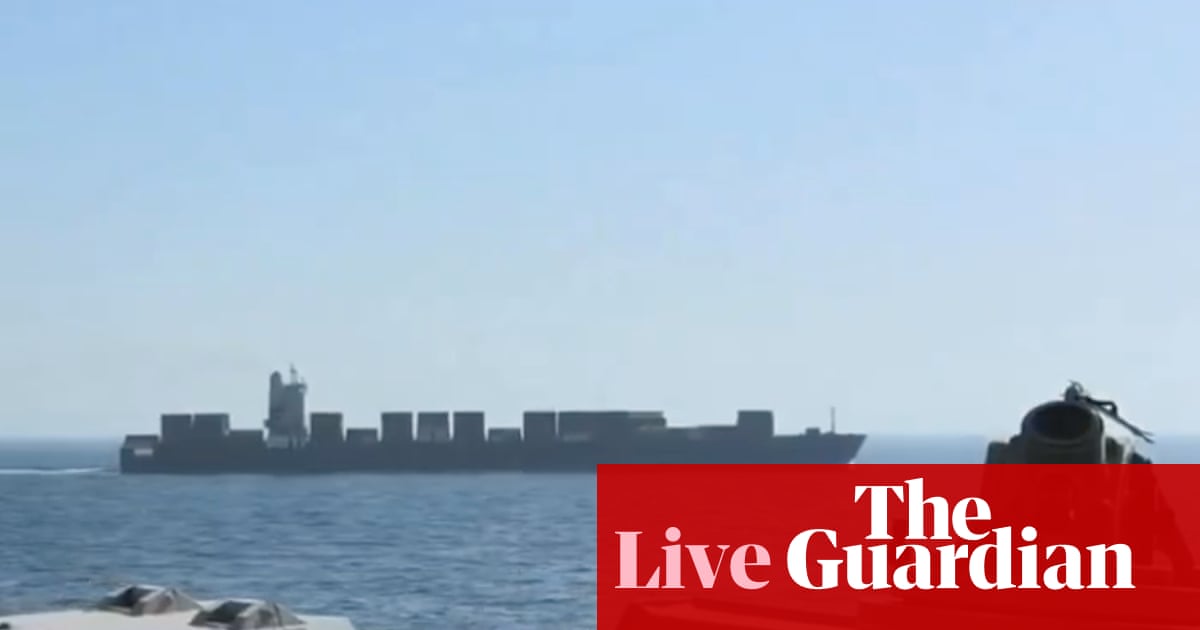
The **Iran-US conflict** has the potential to draw in other regional players, including **Israel** and **Lebanon**. The **US** has a significant military presen
Summary
The **Iran-US conflict** has the potential to draw in other regional players, including **Israel** and **Lebanon**. The **US** has a significant military presence in the region, with bases in **Bahrain** and **Qatar**. The **Iranian military** has also been active in the region, with **proxy forces** operating in **Syria** and **Iraq**. For more information on the **Iranian military**, see [[iranian-military|Iranian Military]]. The situation is complex and multifaceted, with **historical**, **cultural**, and **economic** factors at play. The **US** and **Iran** have a long and complicated history, with periods of cooperation and conflict. For more information on the **history of US-Iran relations**, see [[history-of-us-iran-relations|History of US-Iran Relations]].
Key Takeaways
- The US and Iran are engaged in a conflict over the Strait of Hormuz
- The US has fired on a vessel attempting to bypass a blockade in the Strait of Hormuz
- Iran has closed the Strait of Hormuz until the blockade is lifted
- The conflict has significant implications for global trade and regional stability
- The international community is calling for calm and restraint in the region
Balanced Perspective
The situation in the **Middle East** is complex and multifaceted, with **historical**, **cultural**, and **economic** factors at play. The **US** and **Iran** have a long and complicated history, with periods of cooperation and conflict. The **Strait of Hormuz** is a critical waterway, with **20% of the world's oil** passing through it. The closure of the strait could have far-reaching consequences for the **global economy**. For more information on the **global economy**, see [[global-economy|Global Economy]]. The **US** and **Iran** are engaging in a war of words, with each side accusing the other of aggression. The **international community** is watching the situation closely, with **calls for calm** and **restraint**. For more information on the **international community**, see [[international-community|International Community]].
Optimistic View
Despite the current tensions, there are still opportunities for **diplomacy** and **dialogue** between the **US** and **Iran**. The **European Union** has been working to facilitate talks between the two sides, with a focus on **nuclear disarmament** and **regional security**. For more information on **European Union foreign policy**, see [[european-union-foreign-policy|European Union Foreign Policy]]. A peaceful resolution to the conflict could have significant benefits for the **global economy** and **regional stability**. The **US** and **Iran** could work together to address common challenges, such as **terrorism** and **pandemics**. For more information on **US-Iran cooperation**, see [[us-iran-cooperation|US-Iran Cooperation]].
Critical View
The current tensions between the **US** and **Iran** have the potential to escalate into a full-scale conflict, with significant consequences for the **global economy** and **regional stability**. The **Strait of Hormuz** is a critical waterway, and its closure could have far-reaching consequences for **oil prices** and **global markets**. The **US** and **Iran** are engaging in a war of words, with each side accusing the other of aggression. The **Iranian military** has also been active in the region, with **proxy forces** operating in **Syria** and **Iraq**. For more information on the **Iranian military**, see [[iranian-military|Iranian Military]]. The situation is volatile and unpredictable, with a high risk of **miscalculation** and **escalation**. The **US** and **Iran** must exercise **restraint** and **diplomacy** to avoid a catastrophic conflict. For more information on **diplomacy**, see [[diplomacy|Diplomacy]].
Source
Originally reported by The Guardian