Exercise Routines: Crafting Your Personal Fitness Blueprint
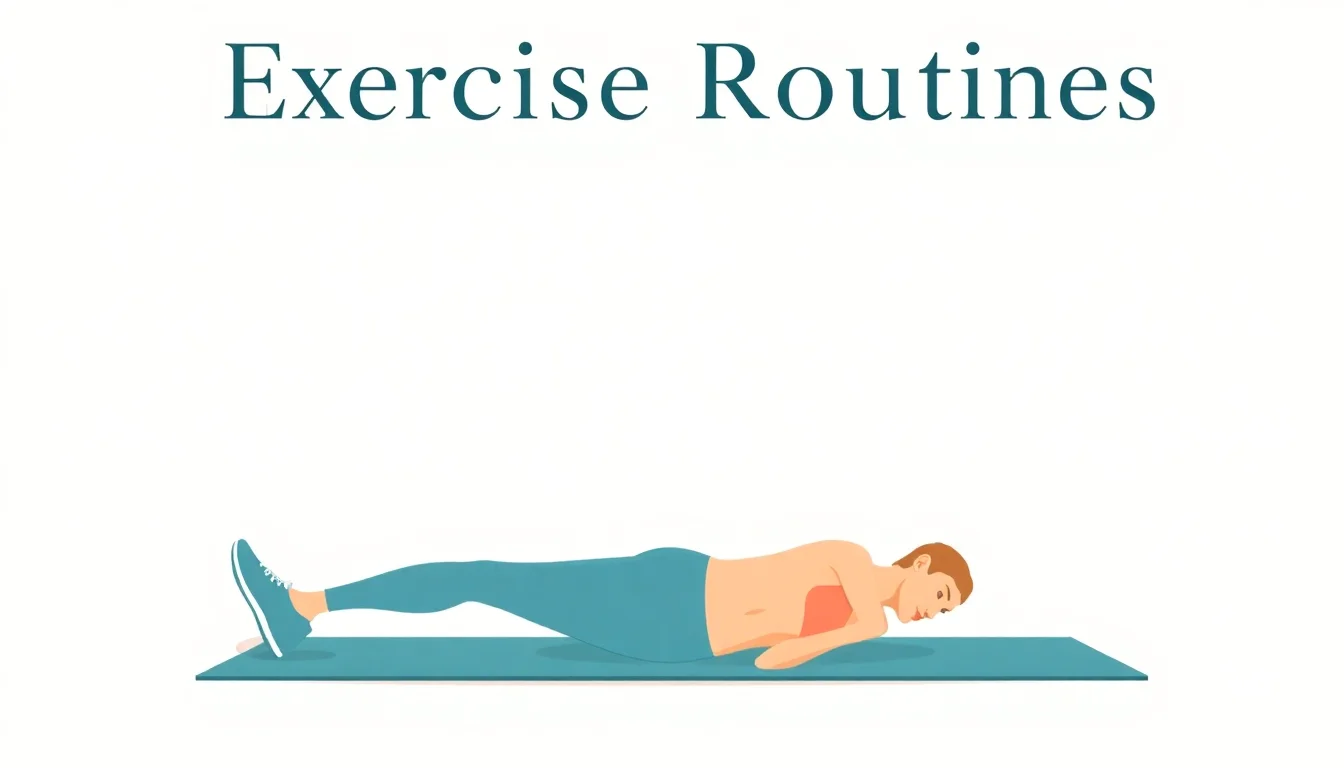
An exercise routine is a structured plan for physical activity designed to achieve specific fitness goals, whether it's weight loss, muscle gain, improved…
Contents
- 🏋️♀️ What's Your Fitness Vibe?
- 🗺️ Navigating the Fitness Universe
- ⚙️ The Mechanics of a Solid Routine
- 📈 Measuring Your Progress (Beyond the Scale)
- 💡 Common Pitfalls & How to Dodge Them
- 🚀 Advanced Strategies for Peak Performance
- 🤝 Finding Your Fitness Tribe
- ⏳ Consistency: The Unsung Hero
- Frequently Asked Questions
- Related Topics
Overview
An exercise routine is a structured plan for physical activity designed to achieve specific fitness goals, whether it's weight loss, muscle gain, improved cardiovascular health, or enhanced athletic performance. Effective routines balance different types of training—cardio, strength, flexibility, and recovery—to prevent plateaus and injuries. The best routine is one that is sustainable, enjoyable, and progressively challenging, adapting to your evolving capabilities and lifestyle. Understanding fundamental principles like progressive overload, periodization, and proper form is crucial for maximizing results and ensuring long-term adherence. Ultimately, your exercise routine is a dynamic tool, a personalized blueprint for a healthier, stronger you.
🏋️♀️ What's Your Fitness Vibe?
Crafting your personal fitness blueprint isn't about blindly following trends; it's about aligning your physical activity with your unique personal fitness objectives. Whether you're aiming for muscle building, improved heart health, or simply a more energetic daily existence, the right routine acts as your roadmap. Think of it as designing a customized workout plan tailored to your body's signals and your life's demands. This isn't a one-size-fits-all endeavor; it's a dynamic process of self-discovery and adaptation.
⚙️ The Mechanics of a Solid Routine
A well-structured routine typically includes a balance of strength exercises, cardio workouts, and stretching exercises. For resistance training, consider gradually increasing weight or reps to stimulate muscle growth. Aerobic activity, like cardio options, should elevate your heart rate for sustained periods to build stamina. Flexibility work, often incorporated through pre-workout stretches and post-workout stretches, is crucial for reducing muscle soreness and improving range of motion.
📈 Measuring Your Progress (Beyond the Scale)
Progress isn't solely measured by the number on the scale. tracking workout performance—such as increased weight lifted, faster mile times, or more repetitions completed—offer a more nuanced view of your gains. tracking body fat percentage can reveal improvements in muscle mass relative to fat. how you feel—like increased energy levels, better sleep quality, and reduced stress—are equally vital indicators of a successful routine. workout logs are invaluable tools for documenting these diverse markers.
💡 Common Pitfalls & How to Dodge Them
Common pitfalls include excessive exercise, which can lead to burnout and injury, and lack of regular exercise, undermining long-term progress. Another trap is the pursuit of unrealistic fitness trends that are unsustainable. Neglecting dietary habits or sleep hygiene can also sabotage your efforts. Recognizing these common mistakes is the first step toward building a resilient and effective fitness plan.
🚀 Advanced Strategies for Peak Performance
For those seeking to push their limits, advanced strategies involve structured training cycles to optimize performance and prevent plateaus. optimizing pre- and post-workout nutrition can enhance recovery and muscle synthesis. Incorporating low-intensity workouts on rest days can aid muscle repair. focusing on muscle engagement during exercises, rather than just going through the motions, can unlock new levels of strength and control. hiring a personal trainer can also provide personalized advanced programming.
🤝 Finding Your Fitness Tribe
Finding a fitness accountability partner can significantly boost adherence. This could be a workout companion, a team training environment, or an online online workout community. Sharing experiences, celebrating milestones, and offering encouragement creates a powerful motivational force. These connections transform solitary efforts into shared journeys, making the pursuit of fitness more enjoyable and sustainable.
⏳ Consistency: The Unsung Hero
Ultimately, the most effective fitness blueprint is the one you consistently follow. Even the most scientifically designed plan falters without regular application. Building habits takes time, often cited as requiring habit formation timeline for new behaviors to become automatic. Prioritizing your workouts, even on busy days, and understanding that occasional missed sessions are part of the process, not failures, is crucial for long-term success. daily fitness habits compound over time to yield significant results.
Key Facts
- Year
- 2023
- Origin
- Vibepedia.wiki
- Category
- Fitness & Wellness
- Type
- Resource Guide
Frequently Asked Questions
How often should I change my exercise routine?
There's no strict rule, but many experts suggest making significant changes every 4-8 weeks to prevent plateaus and keep your body challenged. However, this doesn't mean abandoning your core principles. You can introduce new exercises, alter rep ranges, or change the order of your workouts. Listen to your body; if you feel stagnant or bored, it's likely time for an adjustment. The key is to maintain consistency with your overall fitness goals while introducing variety.
What's the best time of day to exercise?
The 'best' time is highly individual and depends on your body clock, daily availability, and personal preferences. Some people thrive with morning workouts for increased energy throughout the day, while others prefer evening sessions to de-stress. Research suggests potential benefits for both, but consistency is far more important than the specific hour. Experiment to find what fits your life and makes you most likely to stick with it.
How do I balance cardio and strength training?
A balanced approach typically involves dedicating specific days to each or combining them within a single session. For general fitness, aim for at least 150 minutes of moderate-intensity cardio or 75 minutes of vigorous-intensity cardio per week, alongside 2-3 days of full-body strength training. If your goal is primarily endurance, cardio will take precedence, and vice-versa for strength. Listen to your body and adjust based on your recovery needs.
Is it okay to exercise if I'm sore?
Mild soreness, often called muscle soreness after exercise, is normal and usually indicates your muscles are adapting. Light activity, like walking or gentle stretching, can actually aid recovery by increasing blood flow. However, if the soreness is severe or sharp, it's a sign of potential injury, and you should rest or seek professional advice. Pushing through significant pain is counterproductive.
How important is a warm-up and cool-down?
Warm-ups and cool-downs are critical components of any effective workout. A warm-up, typically 5-10 minutes of light cardio and dynamic stretching, prepares your muscles and cardiovascular system for more intense activity, reducing the risk of injury. A cool-down, involving static stretching and light cardio, helps your heart rate return to normal and can improve flexibility and reduce muscle stiffness.
What if I have a medical condition or injury?
Always consult with a medical doctor or rehabilitation specialist before starting or modifying an exercise routine if you have a pre-existing condition or injury. They can provide personalized recommendations, suggest safe exercises, and advise on any limitations. Ignoring medical advice can exacerbate your condition or lead to further injury, so professional guidance is paramount.