Flexible Workspaces: Redefining the Future of Work
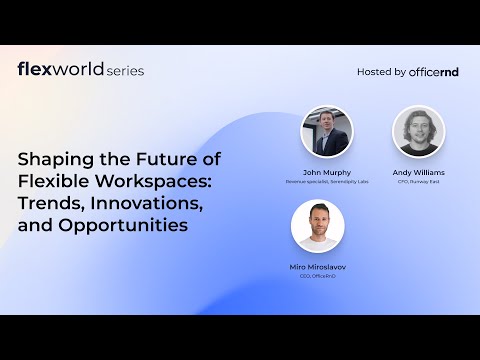
The concept of flexible workspaces has gained significant traction in recent years, with the global coworking market expected to reach $13.5 billion by 2025…
Contents
- 🏢 Introduction to Flexible Workspaces
- 💼 Evolution of the Modern Workplace
- 📈 Benefits of Flexible Workspaces
- 🌐 Technology Enabling Flexible Work
- 👥 The Rise of Remote Work and Virtual Teams
- 🏙️ Coworking Spaces and Their Impact
- 📊 Measuring the Success of Flexible Workspaces
- 🚀 Future of Work: Trends and Predictions
- 🤝 Addressing Challenges in Flexible Workspaces
- 📚 Best Practices for Implementing Flexible Work
- 📊 Flexible Workspace Business Models
- 🌎 Global Adoption of Flexible Workspaces
- Frequently Asked Questions
- Related Topics
Overview
The concept of flexible workspaces has gained significant traction in recent years, with the global coworking market expected to reach $13.5 billion by 2025, according to a report by ResearchAndMarkets.com. This shift is driven by the growing demand for flexibility, autonomy, and community among workers, as well as the need for businesses to adapt to changing market conditions. Companies like WeWork, Regus, and Knotel are leading the charge, offering a range of flexible workspace solutions, from shared offices to virtual reality meeting rooms. However, critics argue that the flexible workspace model can also perpetuate inequality and exploitation, particularly for freelance and gig economy workers. As the flexible workspace market continues to evolve, it's likely to have a profound impact on the future of work, with 73% of companies expecting to adopt flexible workspace strategies by 2025, according to a survey by Gensler. The rise of flexible workspaces also raises important questions about the role of technology, design, and policy in shaping the modern workplace, with experts like architect and designer, Clive Wilkinson, arguing that the future of work will be characterized by a shift towards more human-centered and sustainable workspaces.
🏢 Introduction to Flexible Workspaces
The concept of flexible workspaces has been gaining momentum over the past decade, with more companies adopting flexible work arrangements to improve employee satisfaction and productivity. This shift is largely driven by the changing nature of work and the need for businesses to adapt to a more digitally transformed economy. As discussed in future of work studies, the traditional 9-to-5 office setup is no longer the only viable option. With the advancement of cloud computing and collaboration tools, teams can now work from anywhere, at any time, making remote work a reality.
💼 Evolution of the Modern Workplace
The modern workplace has undergone significant changes since the industrial revolution, with the most recent shift being towards flexible workspaces. This evolution is characterized by a move away from traditional office settings and towards more agile work environments. As noted in workplace innovation research, companies like Google and Facebook have been at the forefront of this change, incorporating wellness at work programs and sustainable office designs into their workspaces. The impact of technology on work has been profound, enabling new forms of virtual communication and team collaboration.
📈 Benefits of Flexible Workspaces
Flexible workspaces offer a multitude of benefits, including increased employee productivity, work-life balance, and talent attraction. By providing employees with the autonomy to choose when and where they work, companies can see a significant reduction in employee turnover and an improvement in overall job satisfaction. As discussed in HR technology forums, the use of flexible workspace management tools can also help streamline facility management and reduce costs. Moreover, flexible workspaces can foster a sense of community and culture, which is essential for business success.
🌐 Technology Enabling Flexible Work
The rise of flexible workspaces has been enabled by advancements in technology and innovation, particularly in the areas of cloud computing, artificial intelligence, and Internet of Things (IoT). These technologies have made it possible for teams to collaborate remotely and for companies to manage their workspaces more efficiently. As explored in future of technology discussions, the integration of virtual reality and augmented reality into workspaces is expected to further enhance the flexible work experience. Furthermore, the use of data analytics can help companies optimize their workspace utilization and make data-driven decisions.
👥 The Rise of Remote Work and Virtual Teams
The shift towards remote work and virtual teams has been accelerated by the COVID-19 pandemic, with many companies being forced to adopt remote work policies overnight. As noted in remote work best practices guides, this shift has presented both opportunities and challenges, including the need for virtual team management and remote communication strategies. Companies like Amazon and Microsoft have been at the forefront of this change, investing heavily in virtual event platforms and online collaboration tools. The future of work will likely involve a combination of in-person interaction and virtual interaction.
🏙️ Coworking Spaces and Their Impact
Coworking spaces have emerged as a popular option for freelancers, startups, and remote workers, offering a sense of community and connection in a shared workspace. As discussed in coworking trends reports, these spaces often provide access to high-speed internet, meeting rooms, and networking events, making them an attractive option for those looking for a productive work environment. Companies like WeWork and Regus have been leading the charge in the coworking space market, with a focus on creating sustainable and eco-friendly workspaces. The rise of coworking spaces has also led to the development of new business models, including coworking space management and flexible workspace brokerage.
📊 Measuring the Success of Flexible Workspaces
Measuring the success of flexible workspaces requires a multifaceted approach, taking into account factors such as employee engagement, productivity, and cost savings. As explored in workspace analytics research, companies can use data analytics tools to track key performance indicators (KPIs) such as workspace utilization and employee satisfaction. By leveraging insights from data, companies can make informed decisions about their workspace strategy and optimize their flexible workspace design. Moreover, the use of surveys and feedback can help companies understand the needs and preferences of their employees, ensuring that their flexible workspace strategy is aligned with their business objectives.
🚀 Future of Work: Trends and Predictions
The future of work is expected to be shaped by trends such as artificial intelligence, Internet of Things (IoT), and virtual reality. As discussed in future of work trends reports, these technologies will continue to enable new forms of flexible work and remote collaboration. Companies will need to adapt to these changes by investing in upskilling and reskilling programs and digital transformation initiatives. The rise of gig economy and platform capitalism will also continue to shape the nature of work, with more individuals engaging in freelance work and entrepreneurship.
🤝 Addressing Challenges in Flexible Workspaces
Despite the benefits of flexible workspaces, there are also challenges that companies need to address, such as communication breakdown and social isolation. As noted in remote work challenges studies, companies can mitigate these risks by implementing regular check-ins and virtual team building activities. Moreover, the use of mental health support programs and wellness initiatives can help promote employee wellbeing in flexible work environments. By acknowledging and addressing these challenges, companies can create a more inclusive and supportive work environment.
📚 Best Practices for Implementing Flexible Work
Implementing flexible workspaces requires a thoughtful and strategic approach, taking into account factors such as company culture, employee needs, and business objectives. As discussed in flexible workspace design guides, companies can start by conducting a workspace audit to identify areas for improvement. By leveraging insights from data and employee feedback, companies can create a flexible workspace strategy that aligns with their business goals and promotes employee engagement. Moreover, the use of change management principles can help companies navigate the transition to a flexible workspace model.
📊 Flexible Workspace Business Models
Flexible workspace business models are evolving to meet the changing needs of companies and employees. As explored in flexible workspace business models research, companies are experimenting with new revenue streams, such as coworking space memberships and flexible workspace subscriptions. The rise of platform economy has also led to the development of new business models, including workspace as a service and flexible workspace brokerage. By embracing these new business models, companies can create a more agile and adaptable work environment that supports their business objectives.
🌎 Global Adoption of Flexible Workspaces
The adoption of flexible workspaces is a global phenomenon, with companies in every region embracing the benefits of flexible work. As discussed in global workplace trends reports, countries like United States, China, and India are leading the charge in the adoption of flexible workspaces. The use of technology and innovation has enabled companies to connect with a global talent pool, creating new opportunities for remote work and virtual collaboration. By embracing flexible workspaces, companies can tap into the global gig economy and create a more diverse and inclusive work environment.
Key Facts
- Year
- 2022
- Origin
- The concept of flexible workspaces emerged in the early 2000s, with the launch of the first coworking space, the San Francisco Coworking Space, in 2005, by Brad Neuberg
- Category
- Business and Technology
- Type
- Concept
Frequently Asked Questions
What are the benefits of flexible workspaces?
Flexible workspaces offer a multitude of benefits, including increased employee productivity, work-life balance, and talent attraction. By providing employees with the autonomy to choose when and where they work, companies can see a significant reduction in employee turnover and an improvement in overall job satisfaction. As discussed in HR technology forums, the use of flexible workspace management tools can also help streamline facility management and reduce costs.
How can companies measure the success of flexible workspaces?
Measuring the success of flexible workspaces requires a multifaceted approach, taking into account factors such as employee engagement, productivity, and cost savings. As explored in workspace analytics research, companies can use data analytics tools to track key performance indicators (KPIs) such as workspace utilization and employee satisfaction. By leveraging insights from data, companies can make informed decisions about their workspace strategy and optimize their flexible workspace design.
What are the challenges of implementing flexible workspaces?
Despite the benefits of flexible workspaces, there are also challenges that companies need to address, such as communication breakdown and social isolation. As noted in remote work challenges studies, companies can mitigate these risks by implementing regular check-ins and virtual team building activities. Moreover, the use of mental health support programs and wellness initiatives can help promote employee wellbeing in flexible work environments.
How can companies create a successful flexible workspace strategy?
Implementing flexible workspaces requires a thoughtful and strategic approach, taking into account factors such as company culture, employee needs, and business objectives. As discussed in flexible workspace design guides, companies can start by conducting a workspace audit to identify areas for improvement. By leveraging insights from data and employee feedback, companies can create a flexible workspace strategy that aligns with their business goals and promotes employee engagement.
What is the future of work in terms of flexible workspaces?
The future of work is expected to be shaped by trends such as artificial intelligence, Internet of Things (IoT), and virtual reality. As discussed in future of work trends reports, these technologies will continue to enable new forms of flexible work and remote collaboration. Companies will need to adapt to these changes by investing in upskilling and reskilling programs and digital transformation initiatives.