Hydroelectric Power | Vibepedia
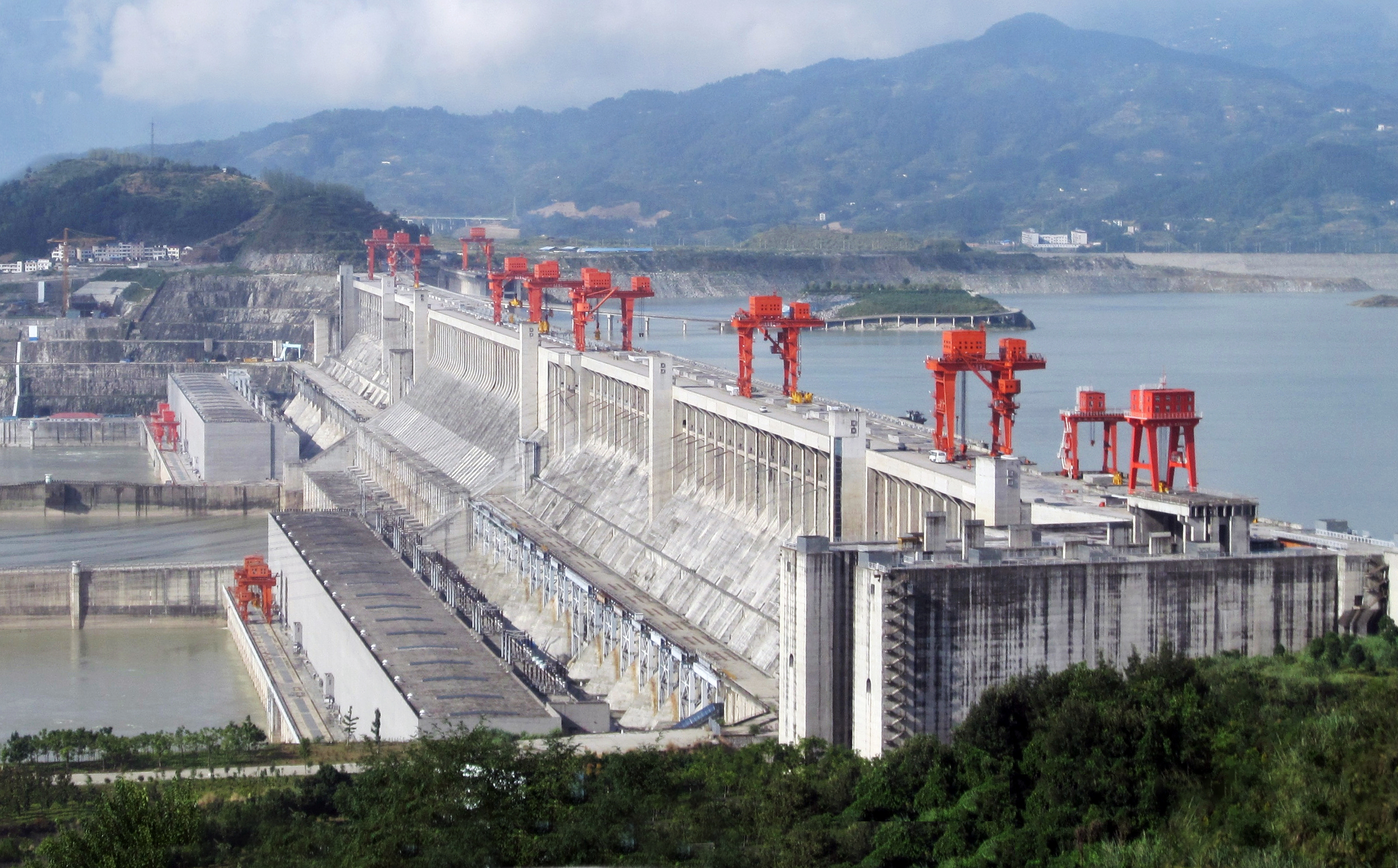
Hydroelectric power is a renewable energy source that converts the kinetic energy of flowing or falling water into electricity. Utilizing dams and turbines…
Contents
Overview
The concept of harnessing water's energy dates back millennia, with early civilizations employing water wheels for grinding grain and irrigation, a testament to ancient ingenuity often seen in feats of Roman Engineering. The true genesis of modern hydroelectric power, however, began in the late 19th century amidst the Industrial Revolution's insatiable demand for power. The first hydroelectric power plant, generating electricity for commercial use, was built in 1882 on the Fox River in Appleton, Wisconsin, marking a pivotal moment in the history of Science and Technology. This early innovation laid the groundwork for the massive infrastructure projects that would follow, transforming how societies accessed and utilized energy, much like the later impact of figures like Bill Gates on computing.
⚙️ How It Works
At its core, hydroelectric power operates on a simple yet powerful principle: converting the potential energy of water stored at a height into kinetic energy, which then drives a turbine connected to a generator. A typical setup involves a dam that creates a reservoir, elevating the water level. When water is released through a penstock, it rushes downwards, spinning large turbines that are meticulously engineered to maximize energy capture. These turbines, in turn, rotate electromagnets within a generator, producing electricity through electromagnetic induction, a fundamental concept in physics. Modern plants often incorporate advanced Automation and Predictive Modeling to optimize energy output and respond to grid demands, sometimes even considering guidelines from the Environmental Protection Agency for operational efficiency.
🌍 Cultural Impact
The advent of widespread hydroelectric power profoundly reshaped societies, fueling industrial growth and urban expansion across the globe. By providing a reliable and relatively clean source of electricity, it enabled the electrification of homes and factories, contributing significantly to Globalization and economic development. However, its impact has not been without controversy; the construction of large dams has often led to the displacement of communities and significant ecological changes, raising debates around Cultural Preservation and environmental ethics. Despite these challenges, the ability to generate vast amounts of power from a renewable source has been a critical factor in the rise of technological giants like Microsoft and the widespread adoption of digital platforms.
🔮 Legacy & Future
Today, hydroelectric power remains the largest source of renewable electricity globally, playing a crucial role in the fight against Climate Change and supporting initiatives like the EU Energy Efficiency Directive. While many prime locations for large-scale dams have already been developed, future innovations focus on improving efficiency, developing smaller-scale 'run-of-the-river' systems, and integrating hydroelectricity into smart grids. The integration of Artificial Intelligence for demand forecasting and Blockchain for decentralized energy management represents exciting frontiers. As the world continues its transition to a sustainable energy future, hydroelectric power, much like the enduring legacy of innovators such as Steve Jobs, will undoubtedly adapt and evolve to meet new challenges and opportunities in Environmental Governance.
Key Facts
- Year
- 1882-Present
- Origin
- Global, with early commercialization in the United States
- Category
- technology
- Type
- technology
Frequently Asked Questions
What is the primary advantage of hydroelectric power?
The primary advantage of hydroelectric power is its status as a clean, renewable energy source that produces no greenhouse gas emissions during operation. It also offers excellent grid stability, providing a reliable baseload power supply and the ability to quickly adjust output to meet demand, unlike some other renewable sources. This makes it a crucial component in a diversified energy portfolio, especially in regions with abundant water resources.
What are the main environmental concerns associated with hydroelectric dams?
While clean in operation, hydroelectric dams can have significant environmental impacts. These include altering river ecosystems, blocking fish migration, changing water temperature and oxygen levels, and flooding large areas of land to create reservoirs. These changes can lead to habitat loss, biodiversity reduction, and even contribute to methane emissions from decaying organic matter in reservoirs, a topic often discussed in relation to Global Environmental Policy.
How does hydroelectric power contribute to grid stability?
Hydroelectric power plants are highly flexible and can be ramped up or down very quickly, making them ideal for balancing fluctuations in electricity demand and supply. This 'peaking power' capability is crucial for grid stability, especially as more intermittent renewable sources like solar and wind power are integrated. The ability to store water in reservoirs acts like a giant battery, allowing energy generation to be precisely controlled.
Are there different types of hydroelectric power plants?
Yes, there are several types. Conventional impoundment facilities use a dam to store water in a reservoir. Run-of-the-river plants divert a portion of river water through a canal or penstock without a large reservoir, minimizing environmental impact. Pumped-storage hydropower (PSH) systems store energy by pumping water from a lower reservoir to an upper one during off-peak hours, then releasing it to generate electricity during peak demand, effectively acting as a large-scale energy storage solution.
What is the future outlook for hydroelectric power?
The future of hydroelectric power is multifaceted. While large-scale dam construction is slowing in many developed regions due to environmental concerns, there's growing interest in upgrading existing facilities for increased efficiency and capacity. Additionally, small-scale hydropower and pumped-storage projects are gaining traction. Its role will likely evolve to complement other renewables, providing essential grid services and energy storage, potentially leveraging technologies like Artificial Intelligence for smarter management and integration into future energy systems.