Valley of Fire State Park | Vibepedia
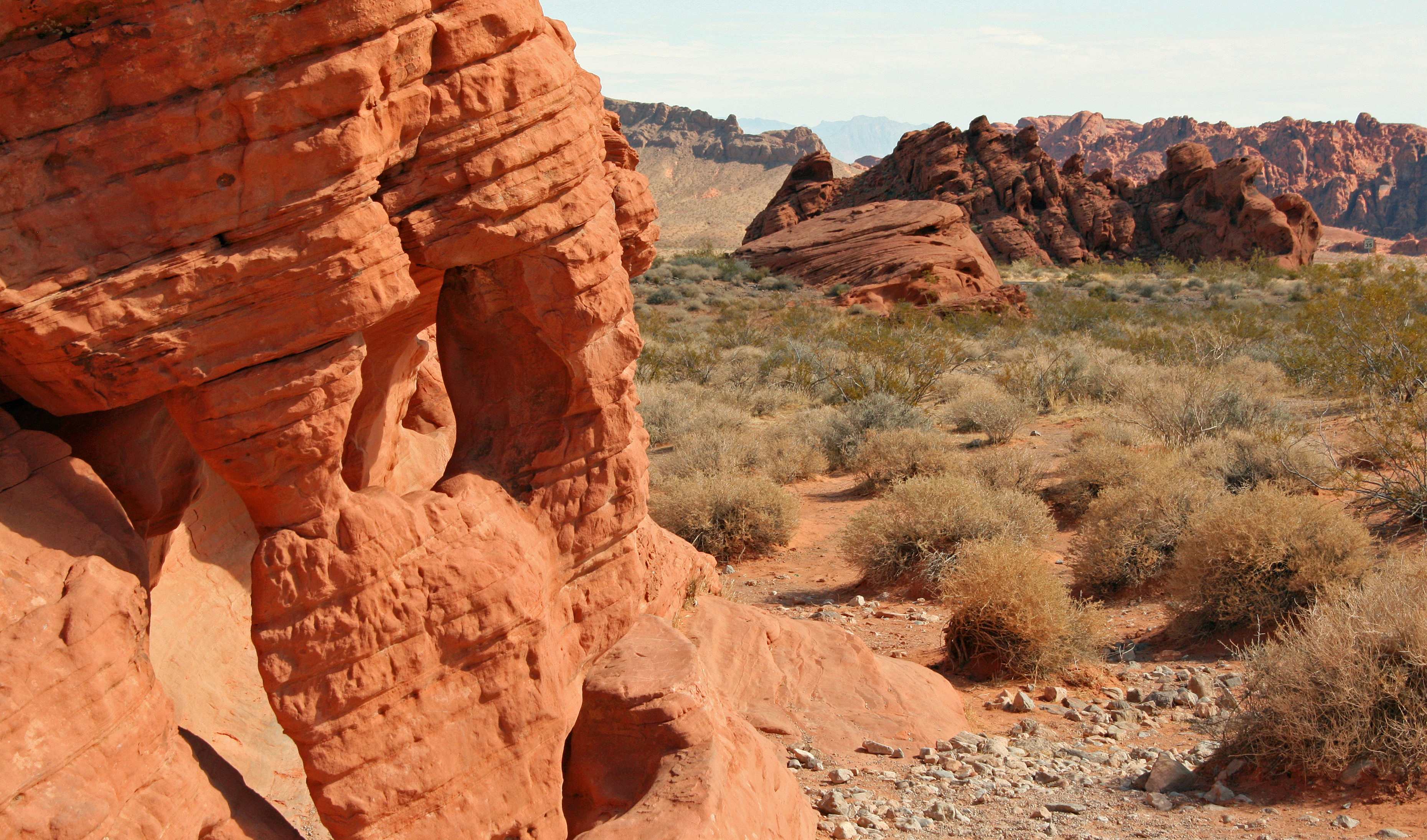
Valley of Fire State Park, Nevada's inaugural state park established in 1935, is a geological marvel spanning nearly 46,000 acres in Clark County. Its name is…
Contents
Overview
The genesis of Valley of Fire State Park traces back to 1935, when it was established as Nevada's first state park, a designation commemorated by Nevada Historical Marker #150. Its creation was part of a broader movement in the United States to preserve significant natural landscapes for public enjoyment and scientific study, a trend championed by organizations like the National Park Service. The park's initial acreage was significantly smaller than its current expanse, with land acquisition and development occurring over several decades. In 1968, its unique geological significance was further recognized with its designation as a National Natural Landmark, solidifying its status as a protected area of national importance. The park's management falls under the purview of the Nevada Division of State Parks, which oversees its conservation and visitor services.
⚙️ Geological Formation
The dramatic scenery of Valley of Fire State Park is sculpted from Aztec Sandstone, a geological formation that tells a story of ancient deserts. Approximately 150 million years ago, during the Jurassic period, this region was a vast expanse of shifting sand dunes, similar to the modern Great Sand Dunes National Park and Preserve. Over eons, these sands were buried, compacted, and cemented into sandstone. Subsequent geological uplift and erosion by wind and water have carved these layers into the striking formations seen today, including towering cliffs, narrow canyons, and natural arches. The distinctive red and orange hues are due to the presence of iron oxides within the sandstone, which oxidize and 'rust' when exposed to air, creating the fiery appearance that gives the park its name. These formations provide invaluable insights into ancient desert environments and the processes of geological change over immense timescales.
📊 Key Facts & Numbers
Valley of Fire State Park encompasses a substantial 46,000 acres (approximately 19,000 hectares) of rugged desert terrain. Located about 16 miles (26 km) south of Overton, Nevada, it lies 50 miles (80 km) northeast of Las Vegas. The park's elevation varies significantly, ranging from 1,320 feet (402 meters) to a high of 3,009 feet (917 meters). Annually, the park attracts over 600,000 visitors, generating significant economic activity for the region. The park's infrastructure includes over 40 miles (64 km) of paved roads and 30 miles (48 km) of hiking trails, catering to a wide range of recreational activities. The average summer temperature can exceed 100°F (38°C), while winter temperatures are more moderate, making spring and fall the peak seasons for visitation.
👥 Key People & Organizations
The establishment and ongoing management of Valley of Fire State Park involve several key entities. The Nevada Division of State Parks is the primary governing body, responsible for conservation, maintenance, and visitor services. Early advocates for its preservation included local citizens and conservation groups who recognized the area's unique beauty and scientific value. The Bureau of Land Management also plays a role in managing adjacent lands, ensuring a cohesive approach to regional conservation. While no single individual is solely credited with its founding, figures involved in the early Nevada state park system and local land management agencies were instrumental. The park's designation as a National Natural Landmark in 1968 involved recognition from the National Park Service, highlighting its national significance.
🌍 Cultural Impact & Influence
The striking visual character of Valley of Fire State Park has made it a popular backdrop for film and television productions, contributing to its cultural recognition. Its dramatic landscapes have been featured in numerous movies, including scenes for Star Trek Generations and the Transformers franchise, lending an otherworldly quality to these cinematic works. Photographers flock to the park, drawn by the intense colors and dramatic light, particularly during sunrise and sunset, which are often cited as the best times to capture the park's fiery essence. The park's petroglyphs, some dating back over 3,000 years, offer a tangible connection to the Ancestral Puebloans and other indigenous peoples who inhabited the region, adding a layer of historical and cultural depth to its natural beauty. This blend of natural spectacle and historical resonance contributes to its enduring appeal.
⚡ Current State & Latest Developments
As of late 2024 and into 2025, Valley of Fire State Park continues to be a major draw for tourists and outdoor enthusiasts. A significant development is the planned opening of a new, $30 million visitor center, anticipated for November 10, 2025. This state-of-the-art facility is expected to enhance the visitor experience with improved educational exhibits, amenities, and accessibility. The park is also seeing ongoing efforts in trail maintenance and conservation to manage the impact of its substantial visitor numbers, which exceed 600,000 annually. Discussions are also underway regarding potential expansions or land acquisitions to further protect the surrounding desert ecosystem, though these are subject to legislative and budgetary approvals. The park's popularity, driven by its accessibility from Las Vegas and its unique geological features, ensures its continued prominence as a Nevada attraction.
🤔 Controversies & Debates
While Valley of Fire State Park is widely celebrated for its natural beauty, debates occasionally arise regarding resource management and visitor impact. Concerns have been raised about the potential for overuse, particularly on popular trails like Fire Wave Trail and White Domes Trail, leading to erosion and disturbance of fragile desert ecosystems. Balancing the need for public access with the imperative of conservation is an ongoing challenge for the Nevada Division of State Parks. Another point of discussion involves the interpretation of historical and cultural resources within the park, ensuring that the significance of Ancestral Puebloan petroglyphs and other archaeological sites is adequately conveyed and protected from vandalism. Funding for park maintenance and infrastructure improvements, such as the new visitor center, is also a recurring topic, often dependent on state budgets and legislative priorities.
🔮 Future Outlook & Predictions
The future of Valley of Fire State Park appears poised for continued growth and enhanced visitor engagement, largely driven by the new visitor center slated to open in late 2025. This facility is expected to not only improve the visitor experience but also bolster educational programs focused on the park's unique geology and history. As climate change impacts the Mojave Desert, adaptation strategies for water conservation and managing extreme heat events will become increasingly critical for park operations and visitor safety. There is also potential for increased collaboration with nearby Lake Mead National Recreation Area on regional conservation initiatives and shared visitor management strategies. Furthermore, as awareness of the park's cinematic appeal grows, further film and photography opportunities may arise, potentially requiring new guidelines to manage their impact. The park's status as Nevada's oldest state park ensures its continued legacy as a protected natural and cultural treasure.
💡 Practical Applications
The primary practical application of Valley of Fire State Park is as a destination for recreation and tourism, drawing hundreds of thousands of visitors annually. Its stunning geological formations and well-maintained trails make it ideal for hiking, photography, and scenic drives. The park also serves as an invaluable outdoor laboratory for geologists studying desert environments and ancient dune systems, offering accessible examples of Aztec Sandstone formations. For filmmakers, the park provides a dramatic and accessible 'alien' or 'ancient' landscape, reducing the need for costly set construction or travel to more remote locations. Educational institutions, from local schools to universities, utilize the park for field trips and research, teaching students about geology, ecology, and the history of indigenous peoples in the American Southwest. The park's accessibility from Las Vegas also makes it a convenient day-trip destination for urban populations seeking natural respite.
Key Facts
- Category
- nature
- Type
- topic