Larger and More Efficient Turbines | Vibepedia
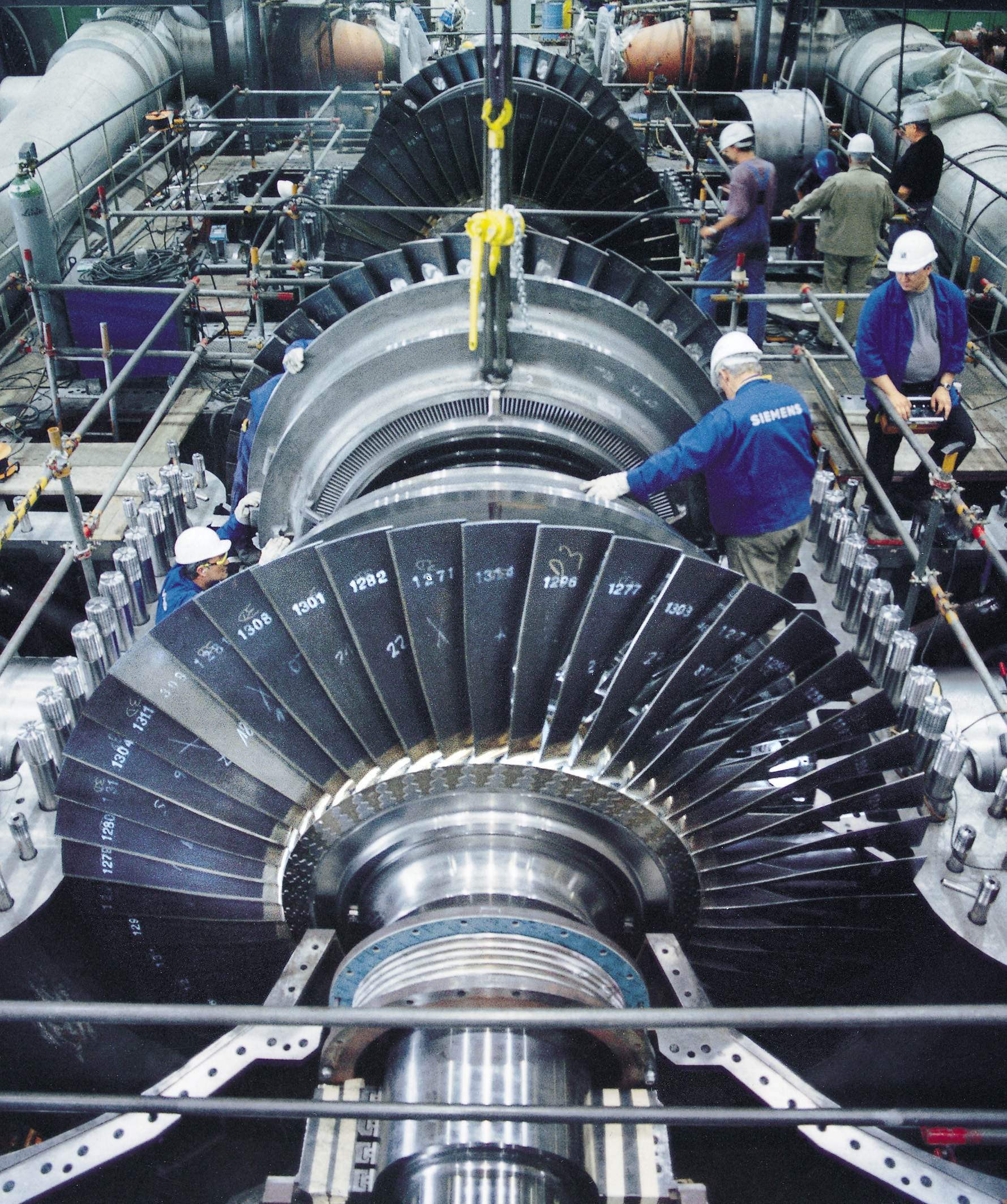
Larger and more efficient turbines represent a pivotal evolutionary trajectory in mechanical engineering, driven by the insatiable demand for energy and the…
Contents
- 🎵 Origins & History
- ⚙️ How It Works
- 📊 Key Facts & Numbers
- 👥 Key People & Organizations
- 🌍 Cultural Impact & Influence
- ⚡ Current State & Latest Developments
- 🤔 Controversies & Debates
- 🔮 Future Outlook & Predictions
- 💡 Practical Applications
- 📚 Related Topics & Deeper Reading
- Frequently Asked Questions
- References
- Related Topics
Overview
The lineage of turbines stretches back to antiquity, with early examples like the Hero's aeolipile in the 1st century AD demonstrating rotational principles. However, the modern turbine era truly ignited with the Industrial Revolution. James Watt's early steam engine improvements, while not turbines in the modern sense, laid groundwork for understanding rotary motion and power. The first practical steam turbine is widely credited to Sir Charles Parsons in 1884, whose invention powered the world's first turbine-driven steamship, the Turbinia, in 1897. Simultaneously, advancements in hydraulics led to more efficient water turbines, with figures like Benoît Fourneyron developing significant designs in the early 19th century. The development of the gas turbine gained momentum in the early 20th century, with Sir Frank Whittle and Hans von Ohain independently pioneering jet engines, a specific application of gas turbine technology, during the 1930s and 1940s. The quest for larger and more efficient units has been a continuous thread, driven by the need for greater power output and economic viability, particularly in the burgeoning electricity generation sector.
⚙️ How It Works
At their core, turbines operate by harnessing the kinetic or potential energy of a moving fluid—be it air, water, steam, or combustion gases—and converting it into rotational mechanical energy. This is achieved through a series of precisely engineered blades attached to a central rotor. For wind turbines, the wind's force on the rotor blades creates torque, spinning the shaft connected to a generator to produce electricity. In steam turbines, high-pressure steam expands through multiple stages of blades, each designed to extract a portion of the steam's energy and impart it to the rotor. Gas turbines function similarly, burning fuel to create hot, high-pressure gases that expand through turbine stages. The efficiency of these machines is a complex interplay of blade aerodynamics, material science (withstanding extreme temperatures and stresses), sealing technologies to prevent fluid leakage, and sophisticated control systems that optimize performance under varying conditions. Minimizing turbulence and maximizing the energy transfer from the fluid to the blades are paramount engineering challenges.
📊 Key Facts & Numbers
The scale of modern turbines is staggering. The GE Haliade-X offshore wind turbine boasts a rotor diameter of 220 meters, sweeping an area of 38,000 square meters—equivalent to over five soccer fields. A single Haliade-X unit can generate up to 14 megawatts (MW) of power. In hydroelectric power, the Francis turbines at Itaipu Dam each have a capacity of 700 MW. The largest steam turbines in nuclear power plants, like those at Hinkley Point C, can exceed 1,000 MW per unit. The efficiency of modern wind turbines can reach over 50% of the theoretical Betz limit (59.3%), a significant leap from earlier designs. Gas turbines used in power generation can achieve efficiencies of over 60% when operating in combined cycle configurations, a substantial improvement from the 30-40% efficiencies of early standalone units. The global installed capacity of wind power alone exceeded 1,000 GW by the end of 2023, with turbines becoming progressively larger and more powerful.
👥 Key People & Organizations
Key figures in the advancement of larger and more efficient turbines include Sir Charles Parsons, whose 1884 steam turbine revolutionized power generation. Sir Frank Whittle and Hans von Ohain are foundational to gas turbine technology, particularly in aviation. In the realm of wind energy, pioneers like Poul la Cour in the late 19th century and modern innovators at companies such as Vestas, Siemens Gamesa, and GE Renewable Energy have driven the scaling and efficiency gains seen today. Organizations like the International Electrotechnical Commission (IEC) develop crucial standards (e.g., IEC 61400 for wind turbines) that ensure safety and interoperability. Research institutions like the National Renewable Energy Laboratory (NREL) in the United States and Fraunhofer IWES in Germany are at the forefront of developing next-generation turbine technologies.
🌍 Cultural Impact & Influence
The proliferation of larger and more efficient turbines has profoundly reshaped global energy landscapes and influenced technological development. The sheer size of modern wind turbines has made them iconic symbols of the renewable energy transition, visible from miles away and altering coastlines and rural vistas. This scale has also driven innovation in logistics, manufacturing, and installation, requiring specialized vessels and heavy-lift cranes. The economic impact is substantial, with the global wind turbine market valued at over $100 billion annually, creating jobs in manufacturing, installation, and maintenance. Furthermore, the pursuit of efficiency in turbines has spilled over into other fields, influencing the design of aircraft engines, industrial compressors, and even high-performance automotive components. The cultural resonance is undeniable, with turbines appearing in art, media, and public discourse as emblems of both technological progress and environmental stewardship.
⚡ Current State & Latest Developments
The current state of turbine technology is characterized by an aggressive push towards ever-larger sizes and enhanced efficiency, particularly in the offshore wind sector. Siemens Gamesa recently unveiled its SG 14-236 DD turbine, featuring a 236-meter rotor. Vestas is also developing turbines in the 15-17 MW class. Beyond size, innovations focus on advanced aerodynamic blade designs, lighter and stronger composite materials, and smarter control systems that can adapt to real-time wind conditions. In the gas turbine sector, advancements are geared towards higher operating temperatures for increased efficiency and reduced emissions, with a growing focus on hydrogen combustion capabilities to decarbonize power generation. The integration of artificial intelligence and machine learning for predictive maintenance and performance optimization is also a major trend, aiming to reduce downtime and operational costs across all turbine types.
🤔 Controversies & Debates
The development of larger and more efficient turbines is not without its controversies. For wind turbines, concerns persist regarding visual impact, noise pollution, and potential harm to avian wildlife and marine mammals, particularly during offshore construction and operation. The sheer scale of components poses significant logistical challenges and increases the cost of decommissioning and recycling. In the realm of fossil fuel turbines, the debate centers on their role in climate change; while more efficient turbines burn less fuel per unit of energy, they still contribute to greenhouse gas emissions. The economic viability of massive offshore projects, often requiring substantial government subsidies and facing complex regulatory hurdles, is also a point of contention. Furthermore, the concentration of manufacturing power within a few global players raises questions about market competition and supply chain resilience.
🔮 Future Outlook & Predictions
The future of turbines points towards continued scaling, increased digitalization, and a stronger focus on sustainability and new fuel sources. We can expect offshore wind turbines to exceed 20 MW capacity within the next decade, potentially reaching rotor diameters of 300 meters or more, enabled by floating foundation technologies that open up deeper waters. Gas turbine technology will likely see further advancements in materials science, allowing for higher temperatures and efficiencies, with a critical pivot towards burning hydrogen and ammonia as primary fuels to achieve net-zero emissions. AI will play an even greater role in optimizing turbine performance, predicting failures, and managing grid integration. The development of novel turbine designs, such as vertical-axis wind turbines for urban environments or advanced tidal and wave energy converters, will also continue, diversifying the renewable energy portfolio. The ultimate goal is a more integrated, intelligent, and decarbonized energy system powered by increasingly sophisticated rotary machines.
💡 Practical Applications
Larger and more efficient turbines are indispensable across numerous sectors. In electricity generation, they are the backbone of renewable energy, with wind turbines providing gigawatts of clean power and hydroelectric turbines a consistent baseload. Steam turbines remain critical in nuclear power plants and fossil fuel power plants, converting thermal energy into electricity. Gas turbines are vital for peak power generation, industrial processes, and as jet engines powering global aviation. In marine applications, turbines are used for propulsion and power generation on ships. Even in smaller scales, turbines are found in applications like micro-hydroelectric systems for remote communities and in industrial processes requiring high-speed rotation for pumps and compressors. The efficiency gains translate directly into lower energy costs and reduced environmental footprints for all these applications.
Key Facts
- Year
- 1884-Present
- Origin
- Global
- Category
- technology
- Type
- technology
Frequently Asked Questions
What is the primary driver behind making turbines larger?
The primary driver for increasing turbine size is to capture more energy from the fluid flow and thus generate more power. For wind turbines, larger rotor diameters mean sweeping a significantly larger area, capturing more kinetic energy from the wind. This scale also often leads to improved efficiency and a lower cost per megawatt-hour generated, making large turbines more economically viable for large-scale power projects. Companies like GE and Vestas are constantly pushing these size boundaries to meet global energy demands.
How do engineers improve turbine efficiency?
Engineers improve turbine efficiency through a multi-pronged approach. This includes optimizing blade aerodynamics using advanced computational fluid dynamics (CFD) to minimize drag and maximize lift, employing lighter and stronger materials like advanced composites to reduce rotational inertia and allow for larger blades, and improving sealing technologies to prevent fluid leakage. For thermal turbines, increasing operating temperatures and pressures, and optimizing the number and design of stages are key. Sophisticated control systems that adapt to real-time conditions also play a crucial role, as seen in modern wind turbines managed by systems from Siemens Gamesa.
What are the biggest challenges in manufacturing and installing larger turbines?
Manufacturing and installing larger turbines present significant logistical and engineering challenges. Components like rotor blades can be over 100 meters long, requiring specialized transportation infrastructure, including reinforced roads and ports, and massive cranes for assembly. Offshore installations demand specialized vessels capable of operating in harsh marine environments. The sheer weight and size of components necessitate robust supply chains and highly skilled labor. Companies like Sarens and Mammoet specialize in the heavy lifting and transport required for these colossal machines. The cost of these specialized operations is substantial, impacting project economics.
How are turbines contributing to decarbonization efforts?
Turbines are central to decarbonization through renewable energy generation. Wind turbines produce electricity without direct greenhouse gas emissions, displacing fossil fuel power plants. Gas turbines are evolving to burn cleaner fuels; many are being retrofitted or designed to combust hydrogen or ammonia, which produce significantly fewer or zero carbon emissions when burned. Furthermore, more efficient turbines, regardless of fuel source, require less fuel to produce the same amount of energy, indirectly reducing emissions and resource consumption. This transition is supported by research from institutions like the National Renewable Energy Laboratory (NREL).
What is the theoretical limit to turbine efficiency, and are we approaching it?
For wind turbines, the theoretical maximum efficiency is defined by Betz's Law, which states that no turbine can capture more than 59.3% of the kinetic energy in the wind. Modern large turbines achieve efficiencies in the range of 45-50% of this theoretical limit, meaning they are operating at around 25-30% of the total available wind energy. While significant gains have been made, there is still room for improvement through advanced blade designs and control strategies. For thermal turbines like steam turbines and gas turbines, efficiency is limited by thermodynamic principles, such as the Carnot cycle, but advancements in materials and operating conditions continue to push practical efficiencies higher, with combined-cycle gas turbines exceeding 60%.
How does digitalization impact the operation of large turbines?
Digitalization is transforming turbine operation through advanced monitoring, control, and predictive maintenance. Sensors collect vast amounts of data on performance, stress, and environmental conditions, which are analyzed using AI and machine learning algorithms. This allows for real-time adjustments to optimize power output, detect potential failures before they occur (predictive maintenance), and schedule maintenance proactively, reducing downtime and operational costs. Platforms like GE Digital's Predix and Siemens' MindSphere are examples of industrial IoT platforms used to manage these complex digital ecosystems for turbines.
Are there environmental concerns associated with the manufacturing and disposal of large turbines?
Yes, there are significant environmental concerns. The manufacturing of large turbine components, particularly wind turbine blades made from composite materials like fiberglass and carbon fiber, presents challenges for recycling. Many older blades end up in landfills. Efforts are underway to develop more recyclable materials and advanced recycling processes. The extraction of raw materials for magnets (e.g., rare earth elements) in some generator designs also has environmental implications. Furthermore, the decommissioning of aging turbines requires careful management to minimize environmental impact, with growing pressure to develop circular economy solutions for turbine components.